An Antidote to Digital Culture
Many young people today spend a significant part of their lives online, communicating, learning and socialising through digital platforms. While technology has created extraordinary opportunities for connection and access to information, educators and parents are also becoming increasingly aware of the importance of balancing digital engagement with realworld interaction and communication.

Written by Marshall Sapherson
As digital communication becomes more dominant, young people may find fewer opportunities to practise skills such as reading emotional cues, maintaining eye contact, navigating face-to-face conversations and expressing themselves confidently in group settings. Online communication often prioritises speed and efficiency, while in-person interaction relies on empathy, nuance and presence — qualities that remain essential both socially and professionally.
At the same time, social media can frame how young people perceive themselves and others. Curated online identities and constant comparison may contribute to increased pressure around performance, confidence and self-expression. As a result, many educators are placing renewed emphasis on helping students develop resilience, authenticity and strong interpersonal skills alongside digital fluency.
Artificial intelligence is reshaping the future workplace. Many technical and administrative functions are already being automated and it is clear that the qualities least likely to be replaced by AI are deeply human ones: creativity, empathy, adaptability, collaboration and authentic communication.
In this evolving landscape, the ability to connect meaningfully with others may become one of the most valuable skills young people can develop. Increasingly, schools and educators are recognising that preparing students for the future is not only about technological competence, but also about nurturing the human skills that allow individuals and communities to thrive.
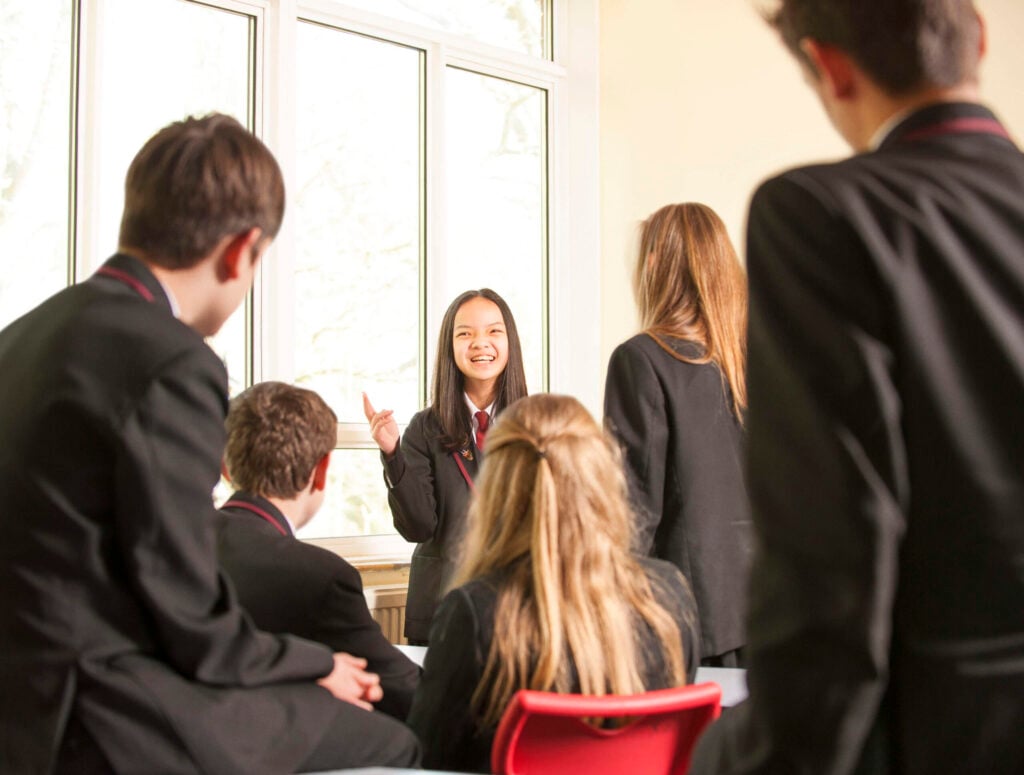
Participating in drama, performances and presentations can nurture the development of these human skills. These provide a way for students to step into others’ shoes, experiment with identity, and express complex emotions and ideas safely and playfully. But these activities also build confidence through practice: speaking, listening, improvising, and collaborating with others in real time.
Every role, improvisation or presentation, no matter how small, requires courage. Students learn to project their voices and trust their instincts. Over time, they build
the kind of self-assurance that carries them effectively into real life – when interviewing, persuading, presenting or contributing in social contexts and at
work.
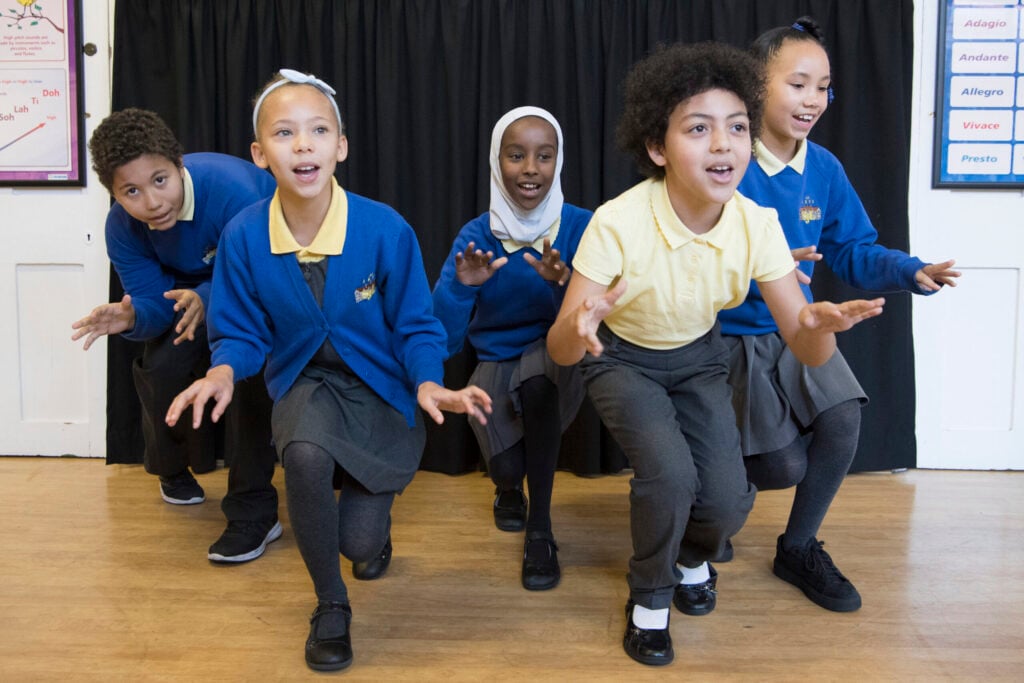
Role-playing helps students think and feel from another person’s perspective. This imaginative empathy translates into compassion and cultural literacy in real
life. In an international school environment, drama teaches sensitivity to different viewpoints and respect for diverse voices.
Improvisation – one of drama’s core techniques – trains students to take risks, adapt quickly, and find solutions when plans change. These habits of flexible thinking are a preparation not just for artistic projects but for the unpredictable challenges of a rapidly changing world.
Drama can be woven into everyday learning: history lessons brought to life through role-play debates, languages practiced through improvisations, science concepts explored through storytelling. Making drama a consistent feature across subjects helps every student – not only the naturally expressive – grow more confident and articulate. After-school drama classes, workshops, productions, and performances can provide transformative opportunities, giving students a sense of pride in personal and collaborative achievement. For international schools, these events can offer a powerful platform for cross-cultural dialogue and creativity.
These activities require relatively little equipment and yield lasting developmental returns. Recognition through assessments and certificates – such as an IB Diploma in
Theatre, an A Level or GCSE certificate in Drama, and Graded Exam Qualifications
in Storytelling, Acting or Public Speaking – help to celebrate students’ achievements. Both universities and employers increasingly recognise and value these “soft” skills learnt through drama – presentation, teamwork, confidence – as vital credentials.
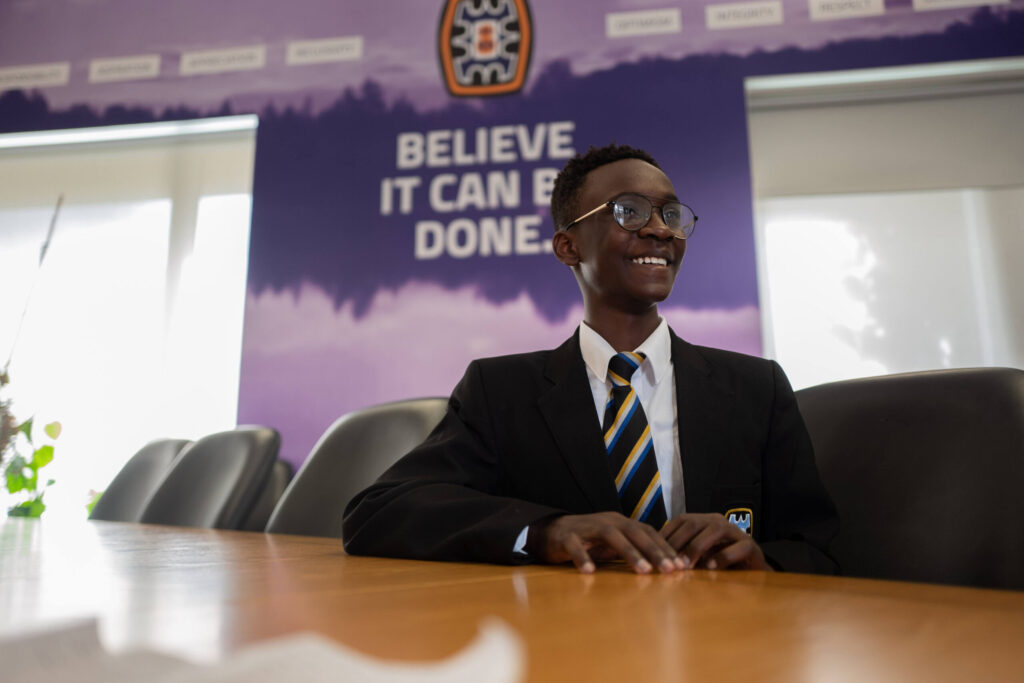
Drama equips young people to listen, speak, imagine, and lead with empathy. It develops the confidence to stand in front of others, the discipline to work as part of a
team, and the courage to present ideas and speak authentically.
For parents and students in international schools – where cultures, languages, and identities meet daily – drama is a bridge. It helps students connect beyond words,
understand difference, and be better prepared for our uncertain digital future.