Beyond Screen Time: What Does Good Online Learning Actually Look Like?
The online school sector has grown rapidly since 2020, and with that growth has come a wider range of educational models. Some schools centre their approach around live teaching, while others rely more heavily on pre-recorded content, independent learning or a combination of the two.
Written by Tracey Clayton, Phase Head at Teneo International School
For internationally mobile families, and particularly parents evaluating a school from a distance, understanding those differences matters. The question is not simply whether a school is online, but what the teaching and learning experience actually looks like once a child logs in.
As someone who leads a phase of teaching at an online school where lessons are taught live and teachers work closely with their learners, I see the importance of structure, interaction, feedback and follow-up every day.
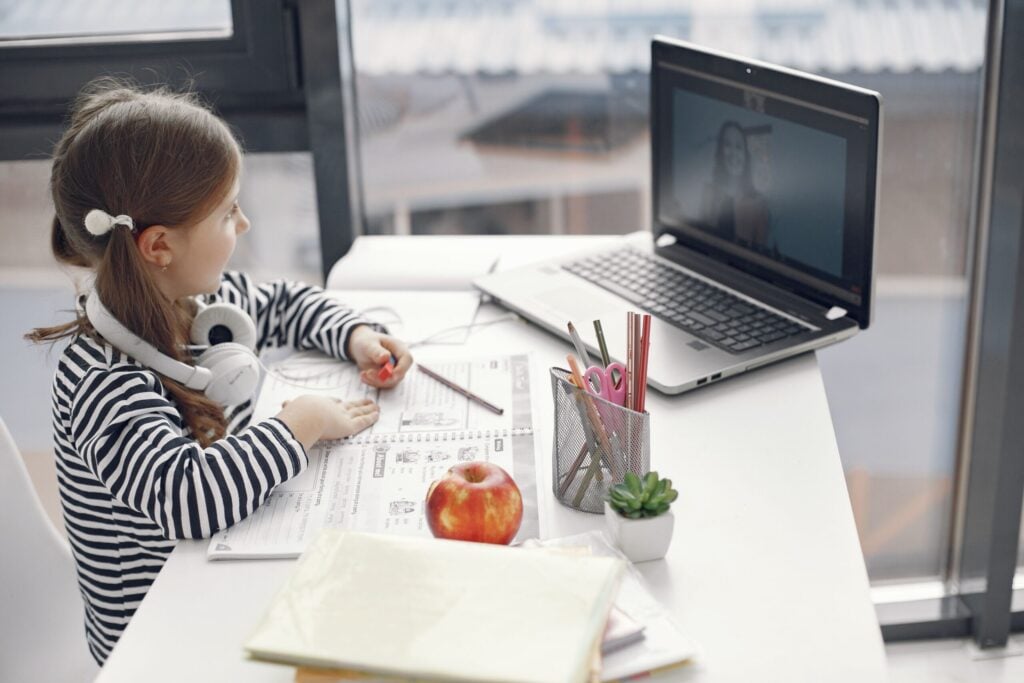
The screen time question parents ask is understandable, but it is not necessarily the most useful question.
The better question is: what is actually happening on the other side of that screen?
Live teaching matters
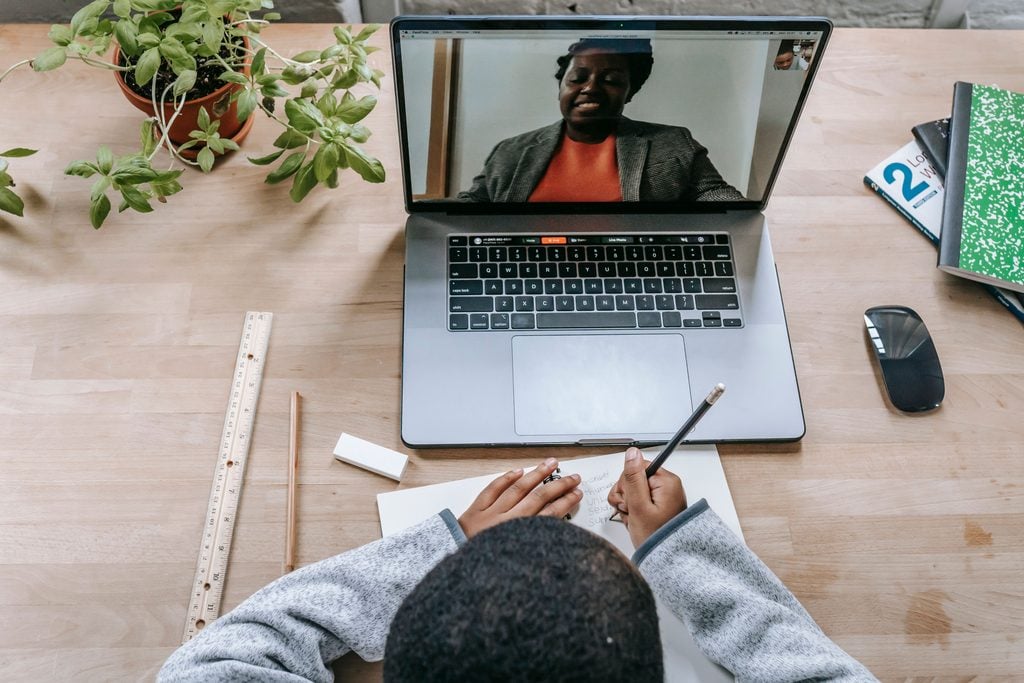
One of the clearest distinctions between different models of online education is how much learners are taught live, by a teacher, in real time.
In a live lesson, a teacher can tell when a concept hasn’t landed. They can ask another question, adapt an explanation, challenge a learner who is ready to move further, or slow down when the class needs more time.
That immediate interaction is difficult to replicate through content alone.
Pre-recorded resources can certainly have value. They allow learners to revisit concepts, catch up on lessons and work through material again when necessary. The important distinction is whether recordings are being used as a resource within a broader teaching model or whether the learner is expected to navigate most of the learning independently.
For some learners, a highly independent model may work well. Others, particularly younger learners or those who benefit from greater accountability and routine, may need more direct interaction and structure. At Teneo International School, where I work, subject-specialist teachers teach lessons live, and we also record them so learners can revisit them or catch up when needed.
That combination — live teaching as the primary mode, with recordings available as an additional resource — provides both interaction and flexibility.
Small classes are not simply about numbers
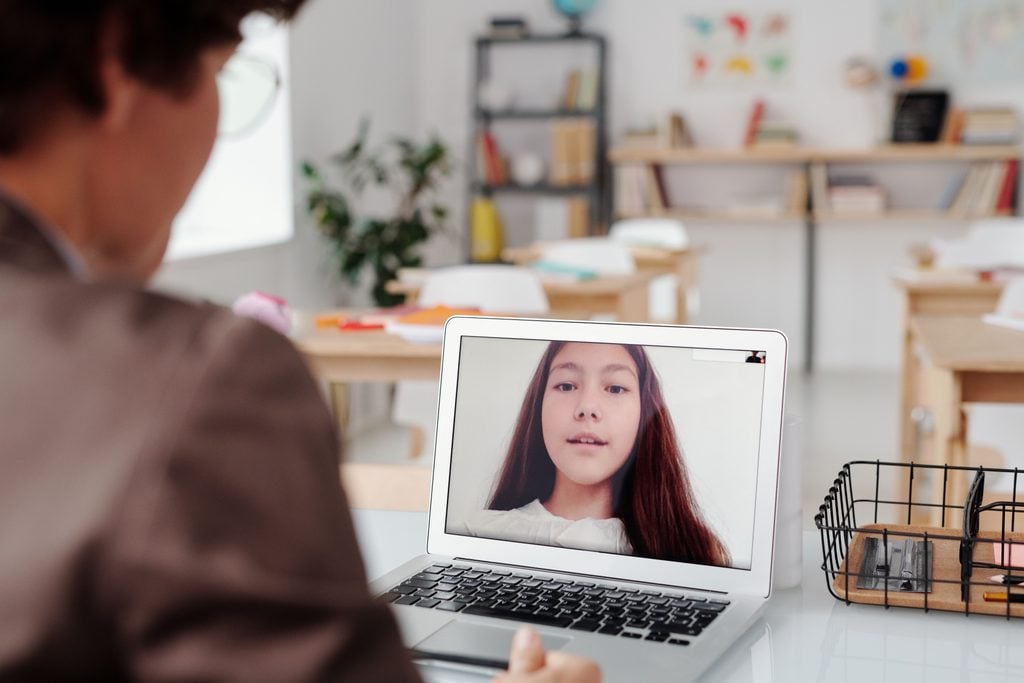
Much of what makes live online learning effective depends on whether a teacher can genuinely engage with the learners in front of them.
In a manageable class, a teacher gets to know their learners. They notice who has stopped contributing. They can recognise when homework or assessment performance begins to change. They have greater opportunity to ask questions, check understanding and follow up with individuals.
As class sizes grow, maintaining that level of interaction naturally becomes more difficult.
This is particularly relevant online because teachers do not have all of the same physical cues available to them that they would have in a traditional classroom. Intentional interaction therefore becomes even more important.
When a school advertises “small classes”, parents should ask what that means in practice.
The number matters, but so does the way the lesson is taught. Are learners expected to participate? Can they ask questions? Does the teacher know who is struggling? Is there enough opportunity for individual interaction?
A live lesson should still feel like a classroom, not simply a presentation delivered to an audience.
Feedback is an important test of quality
Parents understandably evaluate schools on what is most visible: the platform, the timetable, the curriculum and the qualifications offered.
But one of the strongest indicators of meaningful teaching is often less visible: the quality of the feedback a learner receives on their work.
Good feedback is specific.
It identifies what a learner has done well, explains where understanding is incomplete and gives them some direction on what to do next.
“Good effort — keep it up” may be encouraging, but on its own it does not tell a learner how to improve.
Assessment should not simply produce a mark. It should contribute to the learning process.
I would encourage any parent evaluating an online school to ask how assessment feedback is provided. If possible, ask to see examples of what meaningful teacher feedback looks like within that environment.
It can tell you a great deal about how closely teachers are engaging with learner progress.
The day has to be designed, not just filled
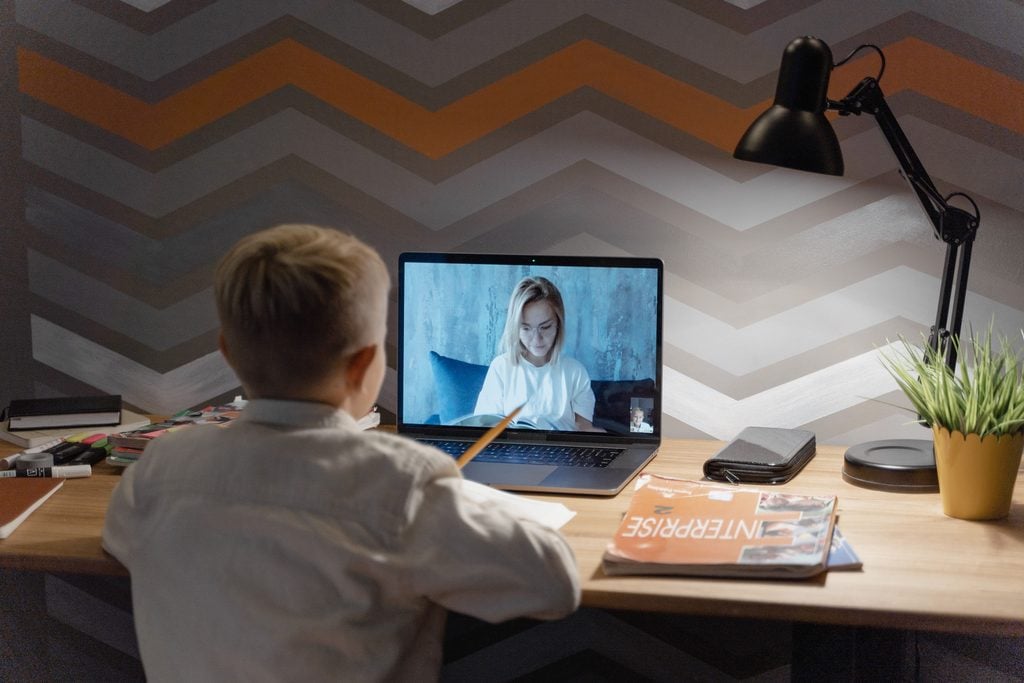
A well-structured online school day should not consist of six consecutive hours of live lessons.
That would be exhausting for learners and teachers alike.
The timetable should balance live-taught sessions with structured independent work: consolidation activities, written assignments, revision, past-paper practice and tasks that allow learners to apply what they have learned.
There should also be deliberate opportunities for breaks, movement, food and time away from the screen.
This is where the screen time question becomes more nuanced.
Not all screen time is equal.
A learner participating in a live lesson, answering questions and engaging with a teacher is having a very different experience from a learner passively watching content for several hours.
Equally, not every part of an online school day needs to happen on a screen.
A well-designed day should move between direct teaching, independent learning and appropriate breaks.
What matters is not simply how long the device is switched on, but how thoughtfully the learning day has been structured.
The social question deserves an honest answer
Can an online school reproduce every aspect of a physical school environment?
No.
There is no physical playground between lessons, and learners are not sharing the same physical space every day.
That should be acknowledged, not avoided.
A good online school can provide regular, live interaction with a consistent group of teachers and classmates through lessons, discussions, collaborative work, and the wider school community.
When learners see the same people regularly, relationships can and do develop.
For some children, particularly those who have struggled socially in a large school or whose family circumstances make a conventional school difficult to sustain, that consistency can be valuable.
The honest framing is that online education changes the social experience rather than removing it.
Whether that model suits a particular learner will depend on the child.
Some learners may flourish in an online environment, while others may need more face-to-face interaction through sport, extracurricular activities, community groups or other social opportunities.
A good school should help families think realistically about that rather than suggesting that one model will suit every child.

Five questions every parent should ask
If you are considering an online school for your child — whether because of an international move, a learner who needs a different environment, or a family looking for greater flexibility — there are several questions worth asking.
- Are lessons taught live, by qualified subject specialists, to a timetable?
- How many learners are in a typical live class, and how are they expected to participate?
- What does meaningful teacher feedback on learner work look like?
- How is independent work set, tracked and followed up?
- What does the daily timetable actually look like, including lessons, independent work and breaks?
The answers should be specific.
Different online schools structure learning differently, and no single model will suit every learner.
What matters is that parents understand the model they are choosing and can see how teaching, interaction, feedback and learner support work in practice.
The screen is ultimately just the delivery mechanism.
What matters is what your child is doing in front of it — and the quality of the teaching, support and interaction taking place on the other side.