Meet the Dean: Patrick Taffin d’Heursel, Swiss Hotel Management School
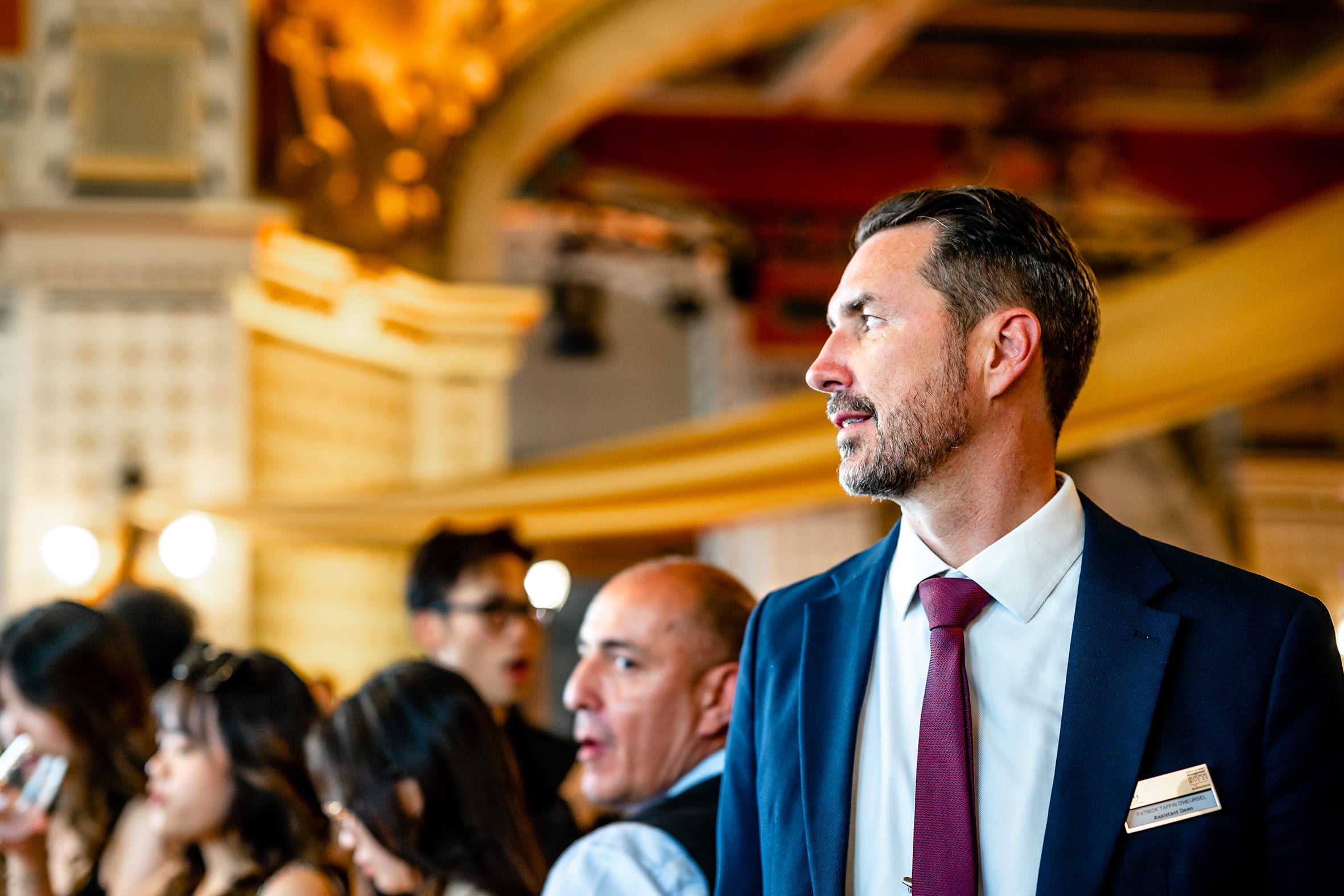
Patrick Taffin d’Heursel, Dean of Swiss Hotel Management School, shares insights into his professional experience, leadership approach and vision for the future of hospitality education.
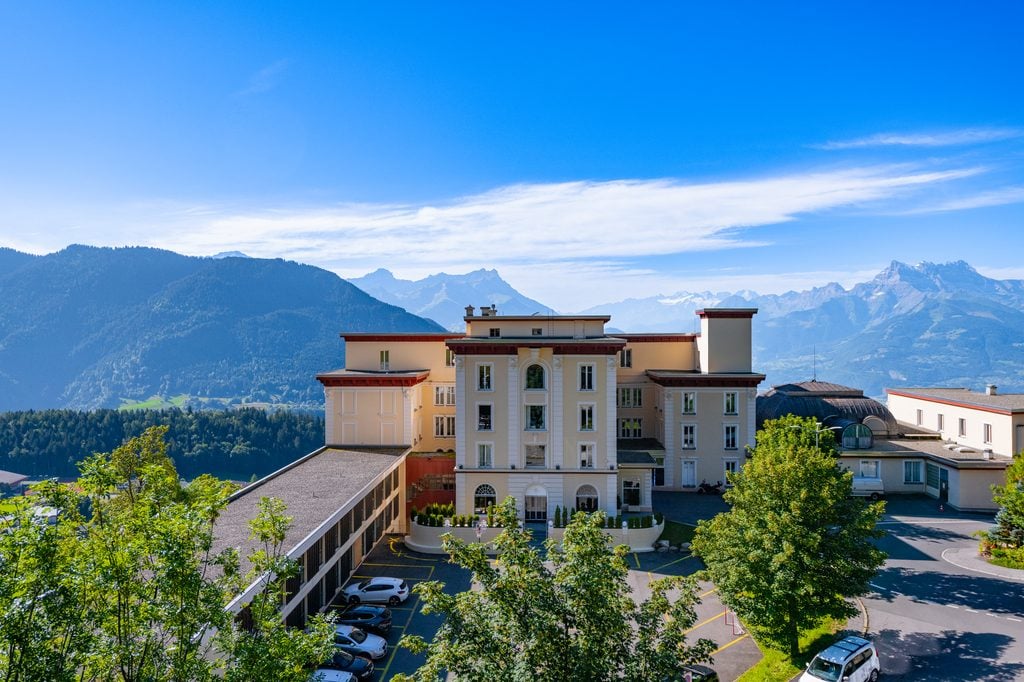
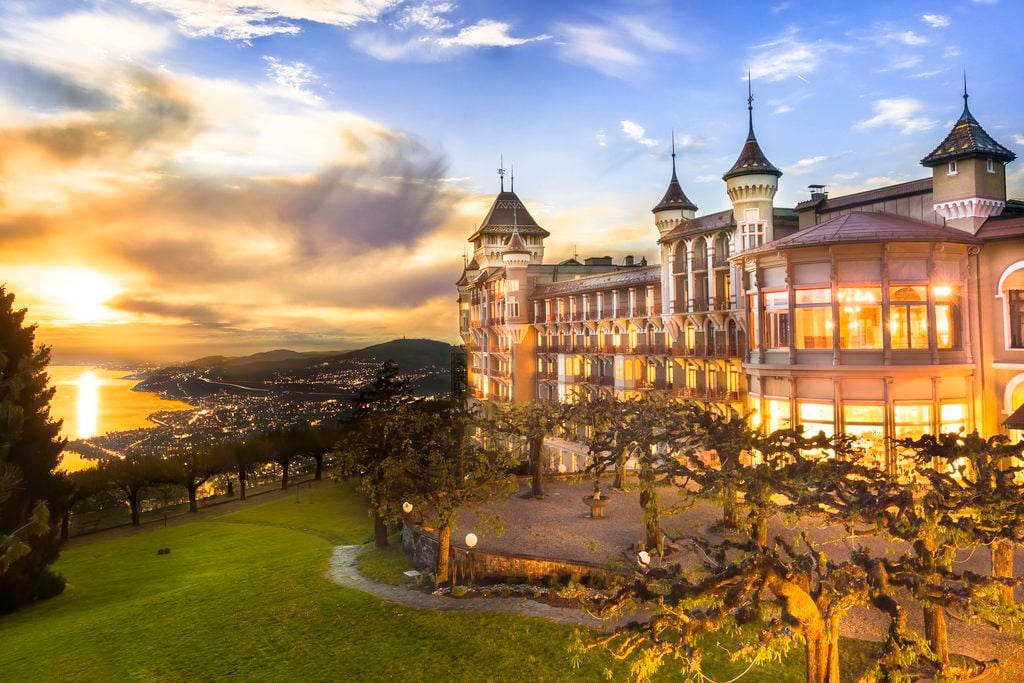
Nestled within the historic palace hotels of Caux and Leysin, Swiss Hotel Management School (SHMS) combines the heritage of Swiss hospitality education with a forward-looking approach to leadership and global business. Once playgrounds for Europe’s elite, these Belle Époque properties now serve as immersive learning environments where students from sixty nationalities live and study within the world of hospitality itself.
With an international student community and industry-experienced faculty, SHMS offers programmes including the BA in International Hospitality Management and the MA in International Hospitality Business Management, encouraging students to balance hospitality tradition with innovation and adaptability.
We recently spoke with Patrick Taffin d’Heursel, Dean of SHMS, about his professional journey, the school’s distinctive “live and learn” philosophy, and the importance of human connection in an increasingly technology-driven world.
Could you begin by sharing a little about your own journey in hospitality and education, and how this has shaped your vision as Dean of Swiss Hotel Management School?
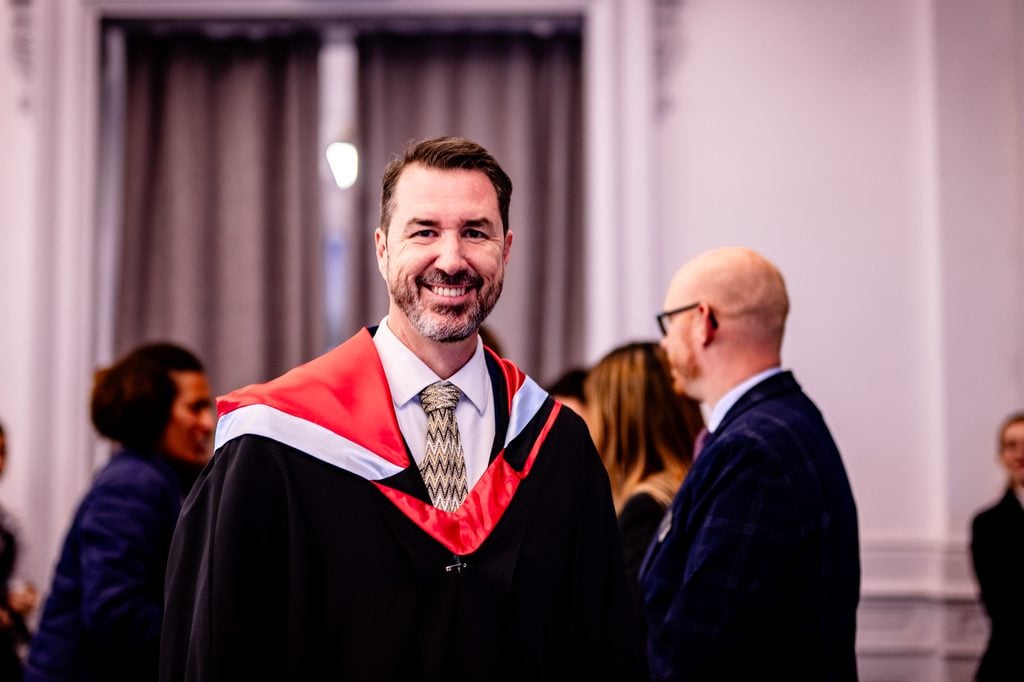
My journey has always connected hospitality and education, even if I did not realise it at first. I grew up in São Paulo, Brazil, in a family deeply rooted in education, but from a young age I was drawn to hospitality through my uncle’s restaurant, where I became fascinated by the way hospitality brings people together and creates meaningful experiences.
After studying Hospitality Management, I began my career in Brazil before moving internationally to work in places including Paris, French Polynesia, Qatar and Kuwait. Across roles with companies such as Disneyland Paris, The Ritz-Carlton and Six Senses, I gained valuable experience working with diverse teams, cultures and approaches to service and leadership.
After more than twenty years in hospitality, I found myself increasingly drawn towards mentoring and developing younger professionals, which eventually led me into education. Fourteen years ago, I joined SHMS as a teacher before later moving into leadership roles.
What I value most about SHMS is the way it combines industry expertise with education in a very authentic way. For me, leadership is ultimately about contribution helping students grow, develop confidence and prepare for an increasingly global and fast-changing world.
Swiss Hotel Management School is known for its distinctive “live and learn” approach. How does studying within historic Swiss palace hotels shape the student experience in ways that go beyond the traditional classroom?
Swiss hospitality education has always been built on the idea of combining theory with practical experience, and that philosophy remains central to SHMS today. From the beginning, the vision was clear: students should not simply study hospitality, they should live within it.
By studying in former Swiss palace hotels, our students are immersed in the world of luxury hospitality from day one. Their learning extends far beyond the classroom, combining operational experience with leadership, strategy and innovation as they progress through the programme and complete industry internships.
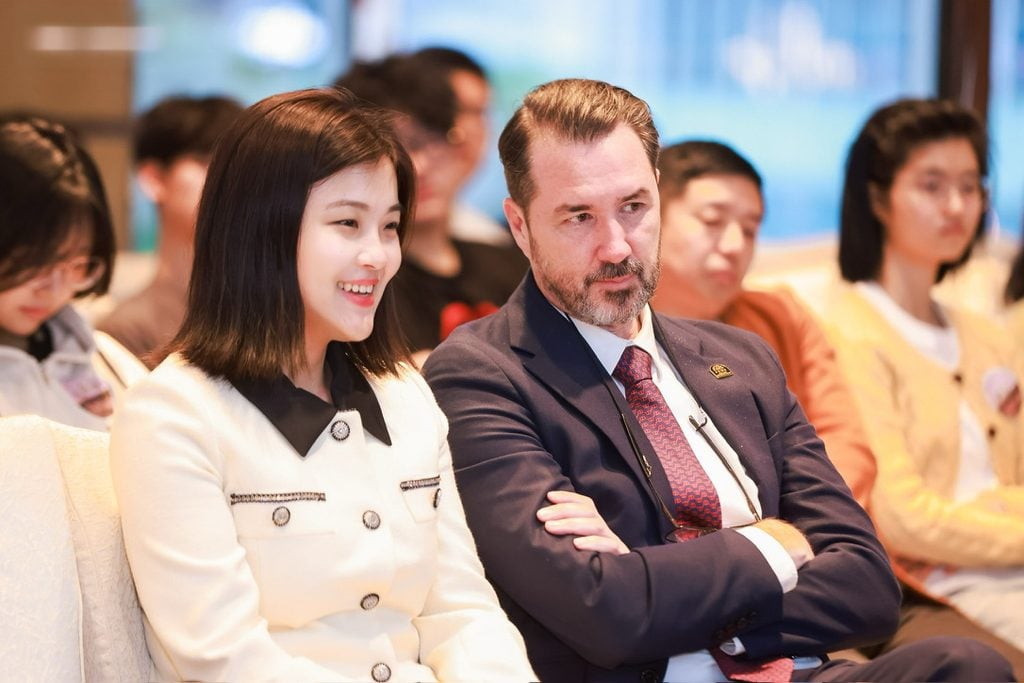
What makes the experience particularly unique, however, is the strong sense of community created through our boarding model. With nearly sixty nationalities represented on campus, students learn not only from their studies, but also from one another. They develop confidence, cultural awareness and the interpersonal skills that are essential in hospitality leadership.
For me, this reflects our three core values: mastery, integrity and care. We encourage students not only to develop technical expertise, but also to lead with empathy, professionalism and respect for others.
Ultimately, the “live and learn” approach is about far more than hospitality training alone. It is about shaping globally minded, emotionally intelligent young professionals who are prepared to lead in an increasingly international and people-focused world.
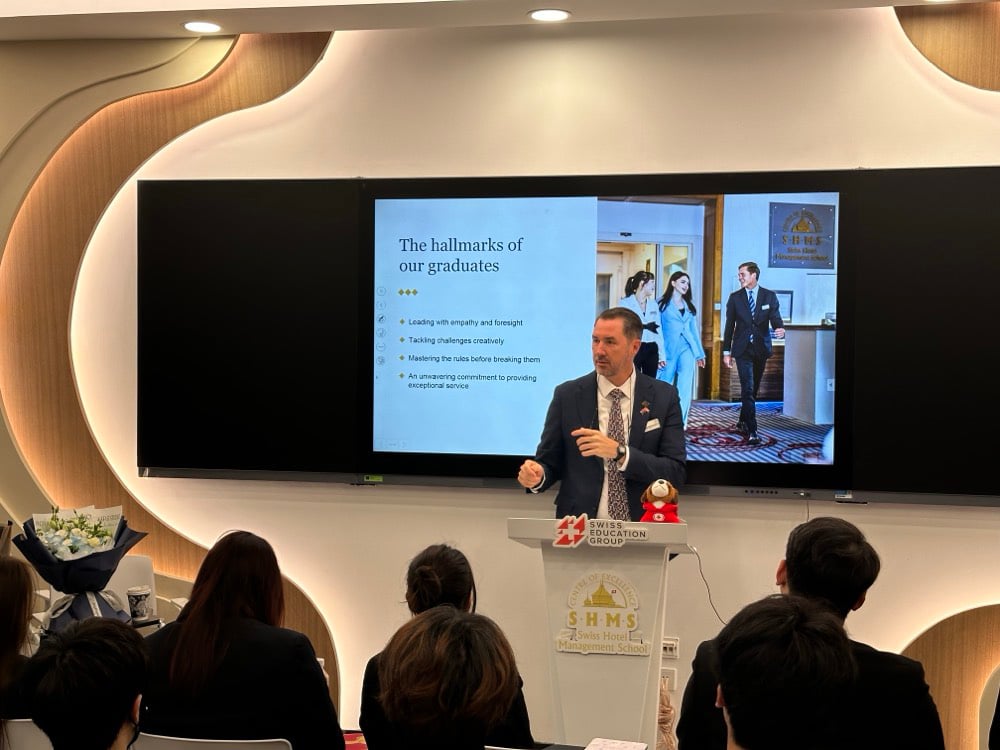
“For me, leadership is ultimately about contribution – helping students grow, develop confidence and prepare for an increasingly global and fast-changing world.”
Many people still associate hospitality education primarily with hotels and tourism. How are SHMS graduates applying their skills across a wide range of industries today?
Many people still associate hospitality education exclusively with hotels and tourism, but today the skills developed through hospitality management are valued across a wide range of industries. At SHMS, we often say that hospitality is ultimately about people, service and experience — qualities that are increasingly important everywhere.
Around seventy percent of our graduates remain within the hospitality sector after five years, while many others move into industries such as automotive, wellness, healthcare, education and luxury services.
What connects them is the ability to create meaningful experiences, understand people and deliver exceptional service. For me, that versatility is one of the greatest strengths of hospitality education. The essence of hospitality is understanding how people feel, and that applies just as much in healthcare, finance or luxury retail as it does in hotels. Increasingly, organisations recognise that technical expertise alone is not enough – emotional intelligence, communication and genuine human connection are equally important.
At SHMS, we call our alumni our “diamonds,” which is reflected in our logo itself. For us, that symbol represents not only professional success, but the lasting value our graduates bring wherever they go.
As hospitality and technology continue to evolve rapidly, what qualities do you believe will define the next generation of hospitality leaders, and how is SHMS preparing students for this future?
More than ever, hospitality leaders need to understand both technology and people. We are living in a time shaped by AI, sustainability, data-driven decision making and rapid innovation, and these developments are transforming the industry in many positive ways. At SHMS, we embrace these tools and ensure our students understand how to work with them effectively.
At the same time, I believe the future of hospitality will depend even more on human connection, emotional intelligence and the ability to truly understand people.
Technology can support service, but it cannot replace genuine care, empathy and intuition. Increasingly, guests are looking for authentic experiences and meaningful interactions.
This is why we place such a strong emphasis on listening and interpersonal awareness. We encourage students not simply to respond to requests, but to understand what guests may really need, even when it is left unsaid. In hospitality, the smallest details often create the most memorable experiences.
I experienced this personally during a recent stay in Hong Kong, where one of our alumni now works for Mandarin Oriental. Small gestures – from preparing information about a local hiking route to remembering my birthday with my favourite cheesecake – created a deeply personalised experience. Technology may help collect information, but it is people who transform that information into genuine hospitality.
For me, the future of hospitality education lies in combining innovation with humanity. AI will certainly improve efficiency and support areas such as operations and safety. However, while technology can enhance service, it should never replace the human side of hospitality. The warmth of service, emotional connection and ability to make people feel genuinely understood remain irreplaceable.
That balance is central to how we prepare students at SHMS. We want them to embrace innovation while never losing sight of the human values that define exceptional hospitality.
“We encourage students not only to develop technical expertise, but also to lead with empathy, professionalism and respect for others.”