Meet the Director: Barry Dequanne, International School of Zug and Luzern (ISZL)
Since 1961, the International School of Zug and Luzern (ISZL) has inspired young people through exceptional academics, outdoor adventure and a strong sense of community. What began as a small American school for the children of Jeep employees has grown into a multi-campus school welcoming 1,200 students from more than 60 countries. We recently sat down with Barry Dequanne, Director of ISZL, to discuss his background, educational philosophy and vision for the school’s future.

You have worked in international education for more than 30 years across several continents. How have those experiences shaped your approach to leadership at ISZL?
I have worked in international education for more than 30 years – including the last nine at ISZL – across many different countries and cultures. Originally from Canada, I actually began my career in mathematics and finance before making an early move into education. Along the way, there have been many experiences that have shaped who I am as a leader.
One of the things I value most about international schools is the diversity of their communities. People come from every corner of the world, and that has a humbling effect. It encourages us to see the world through different perspectives, embrace new ideas and continue learning from one another. It has also taught me the importance of listening deeply and learning from every member of our community.
As a school leader, I do not believe my role is to have all the answers. Rather, it is to create an environment where everyone feels heard, valued and able to contribute. Our diversity is one of our greatest strengths.
Many educators are discussing the impact of technology and AI on learning. How do you see these developments shaping the future of international education?
It is both an exciting and a complicated time. I see this not only from the perspective of a school leader, but also as a parent of two young children – my son is five and my daughter is eight.
For schools, AI presents enormous opportunities to expand the ways we teach and learn. At ISZL, we have tried to embrace these developments thoughtfully, while recognising that this is very much an ongoing journey for everyone. As adults, we are still learning what these technologies mean and how they should be used responsibly.
One important consideration for us is the idea of cognitive offloading. How do we ensure that students continue to develop essential skills such as critical thinking, creativity and independent problem solving?
Ultimately, I believe AI has amplified the importance of the human element in education. Technology will become a powerful resource for all of us, but schools continue to play a vital role in building relationships, empathy, resilience and self understanding. AI should support us as humans, not outpace our humanity.
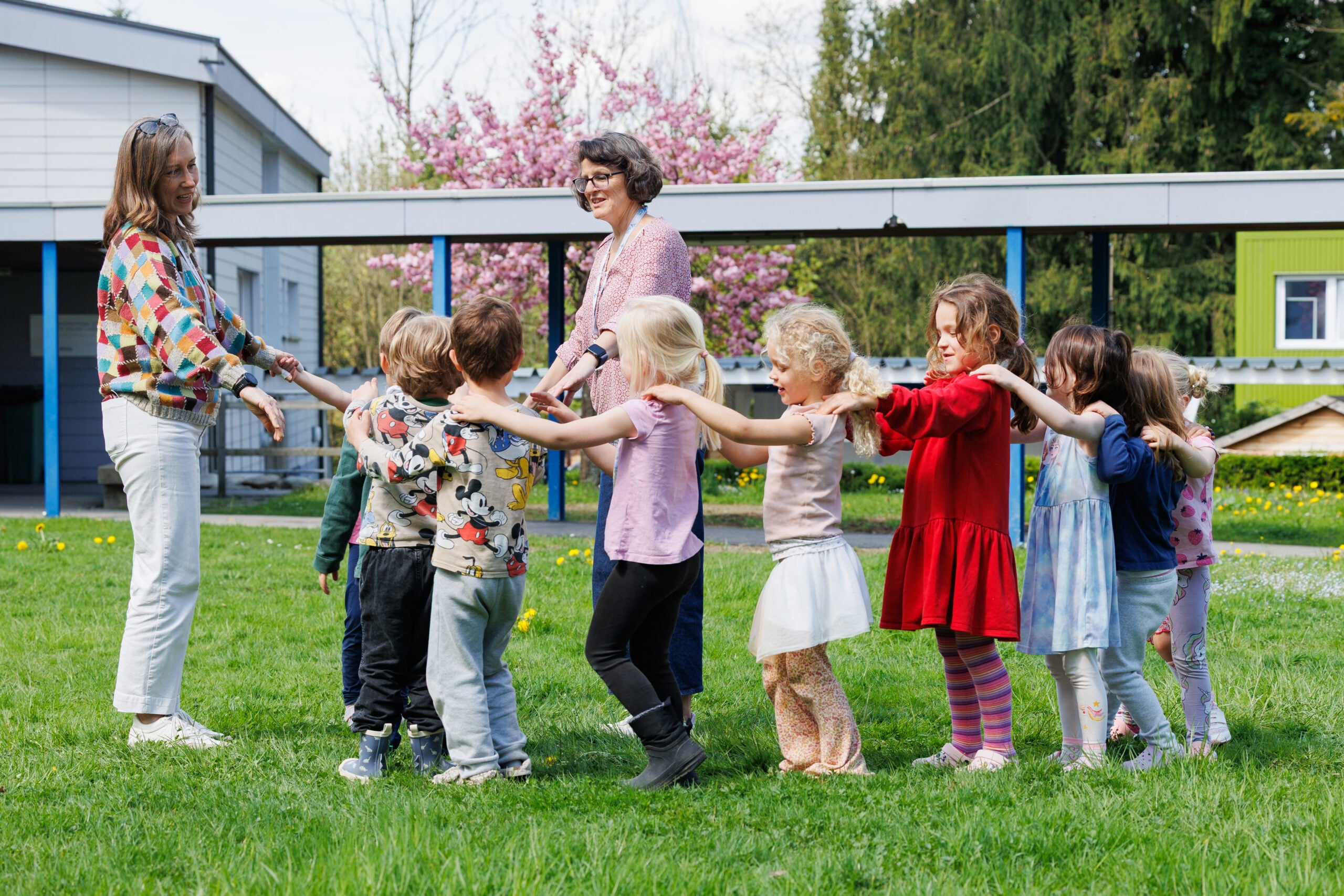
“We have worked hard to build a caring environment where students feel safe, supported and a genuine sense of belonging.”
What makes the learning experience at ISZL distinctive compared with other international schools in Switzerland?
This is one of my favourite questions because it encourages us to reflect on what truly makes our school special. There are many excellent schools in Switzerland and around the world, but what we really lean into at ISZL is our sense of community.
We have worked hard to build a caring environment where students feel safe, supported and a genuine sense of belonging. When that becomes the foundation of a school experience – and when schools work in true partnership with parents – it has a profound impact on learning. By partnership, I mean parents learning alongside us and, at appropriate moments, being welcomed into the classroom to actively support the educational journey.
When students feel secure and valued, they are more willing to take risks, engage deeply and develop a more intrinsic connection to learning. That has always been at the heart of ISZL: we are a learning community that genuinely cares for one another.
ISZL has a strong reputation for academic achievement alongside wellbeing. How do you balance high expectations with student happiness and resilience?
People often see academic achievement and wellbeing as being in conflict, but I do not see them that way at all. In fact, I believe they strongly complement one another.
When students feel safe, supported and genuinely happy coming to school each day, they are far more willing to take risks, engage deeply in learning and remain open to new ideas and perspectives. The relational aspect of our programme is incredibly important in creating that environment. Research consistently shows that students learn best when they feel secure and connected.
For us, the priority is always to provide a warm, welcoming and supportive learning environment. From there, academic growth and performance naturally follow – and our students thrive both personally and academically.
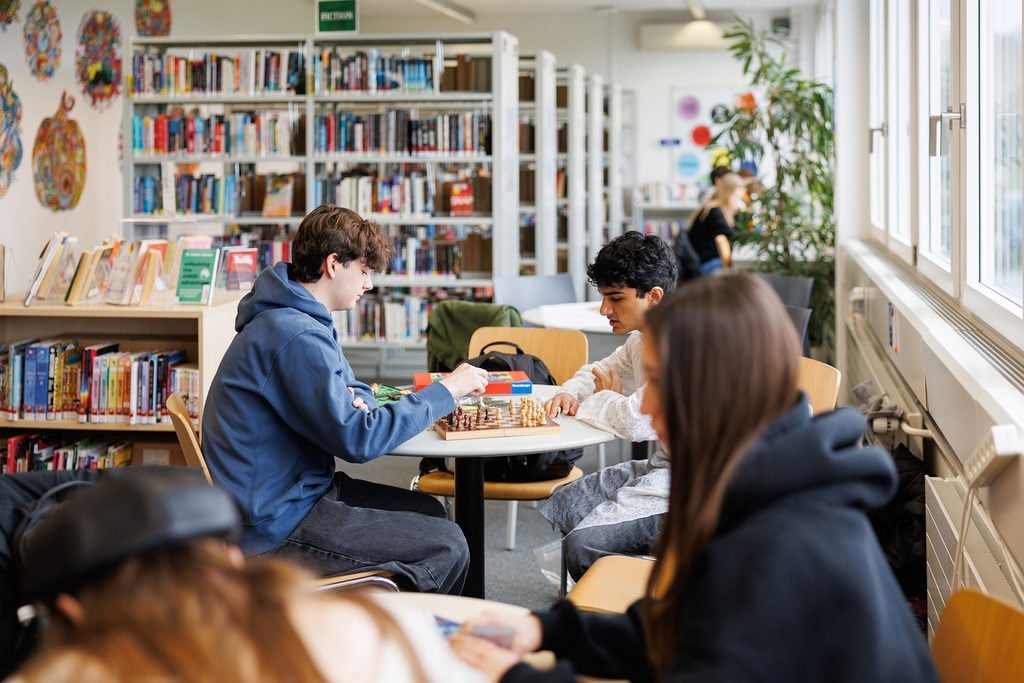
“When students feel secure and valued, they are more willing to take risks, engage deeply and develop a more intrinsic connection to learning.”
Families moving to Switzerland often face major transitions. How does ISZL help new students and parents integrate
quickly into the school community?
We recognise that when a new student joins ISZL, it is not just the child arriving the whole family becomes part of our community. Supporting families through that transition is incredibly important to us.
Transitions can be challenging, no matter the circumstances, and we are very conscious of the impact they have not only on new families, but also on the wider school community.
At the same time, they present a wonderful opportunity for everyone to learn from one another. Our approach is therefore very holistic, beginning with the admissions process, where we aim to create a warm and personalised experience for each family.
Our Parent Association also plays an important role by organising orientation and welcome events that help families build connections early on. For students, we pair new arrivals with current students so they immediately have a buddy and sense of support within the school community. Our counsellors and student support teams also keep a close eye on students as they settle in.
One of the things I always tell parents during our New Family Orientation Meeting is that communication is key. There are no bad questions – if something does not feel right, we encourage families to talk to us. Ultimately, we want every student and every parent to feel welcomed, supported and connected to the same strong sense of community.
Many parents today are thinking about preparing children for a rapidly changing world. What advice do you give families about supporting their children’s development?
I would encourage curiosity above all else curiosity, inquiry, exploration and a love of reading. Read as much as you can, but also listen, connect and engage with as many different people and perspectives as possible.
I believe these experiences help young people develop both understanding and resilience. As children learn about new places, ideas and cultures, they begin to better understand their own place in the world. That, in turn, builds confidence and gives them a stronger sense of grounding.
Fundamentally, one of the most important things both parents and schools can do is nurture this curiosity and encourage children to engage deeply with the world around them.
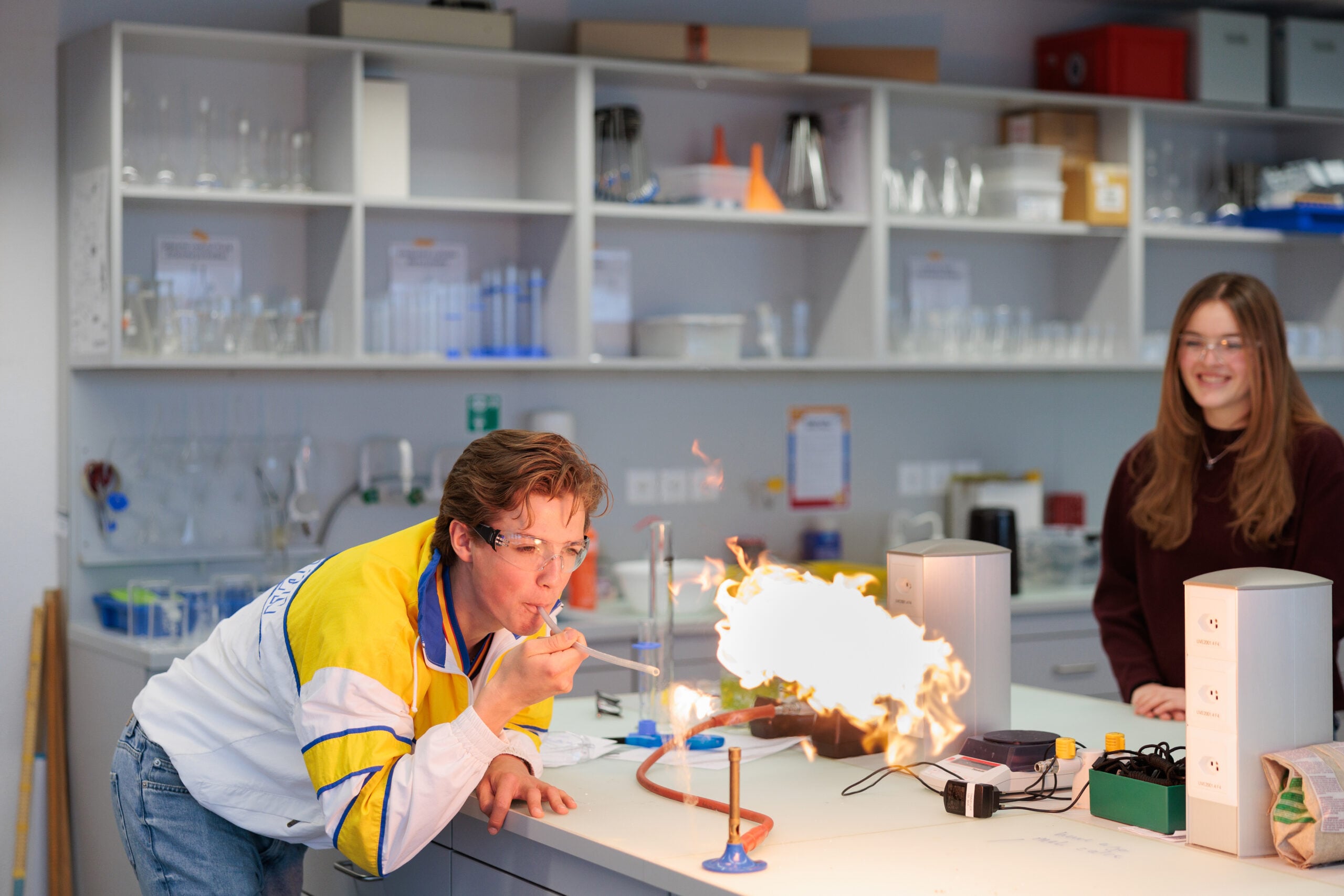
After more than three decades in international education leadership, what continues to inspire you most about
working in schools?
As adults, we also need to model what it means to try new things, make mistakes, learn from them and allow ourselves to be vulnerable. That mindset has continued to inspire me throughout my career.
But what truly drives me in this work and I genuinely see it as a calling – is the sense of possibility that exists within every child. Watching young people grow and develop comes with an enormous responsibility, but also a tremendous sense of hope and opportunity.
I have also found that there is so much we can learn from our students themselves. This weekend, for example, we are hosting a conference where students will play a significant role in the programme, including leading workshops for parents. When students are given that kind of agency, they often think differently from adults and show us new ways of approaching challenges and ideas. That is something I find both exciting and deeply inspiring.
Finally, if you could describe the mission of ISZL in one sentence to a family considering the school, what would you say?
At the heart of ISZL is the belief that we are all learners – not only the students, but the adults as well – working together to make the world, or at least our corner of it, a kinder and better place.
And, if you will allow me to elaborate, the essence of ISZL is helping students achieve more than they thought possible, encouraging them to stretch beyond their own perceived limits within a safe and supportive environment where they feel cared for, balanced and empowered.
Ultimately, everything we do is rooted in the idea of building stronger communities and preparing young people to contribute positively to the world around them.
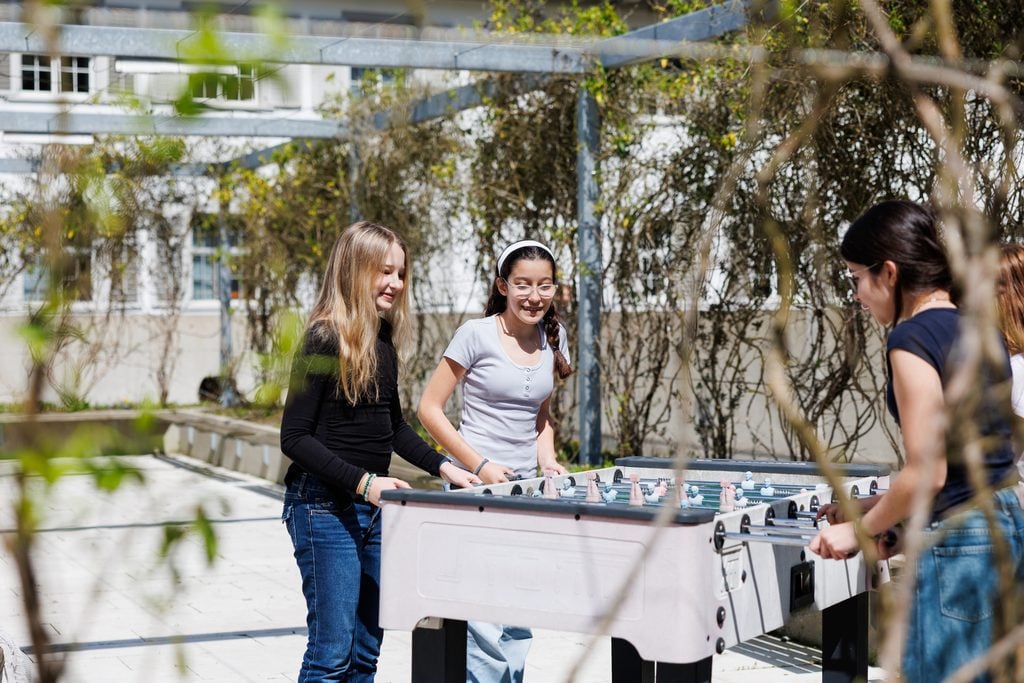
“As children learn about new places, ideas and cultures, they begin to better understand their own place in the world.”