When Chaos Became My Armour
Written by: Ivana Nady, Zen Interiors
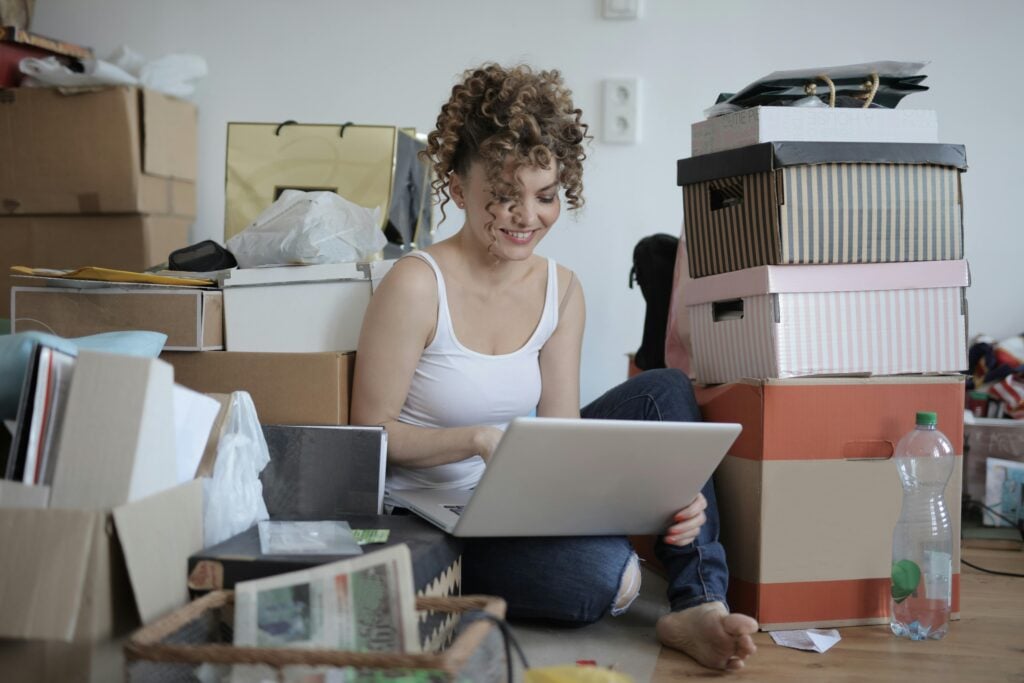
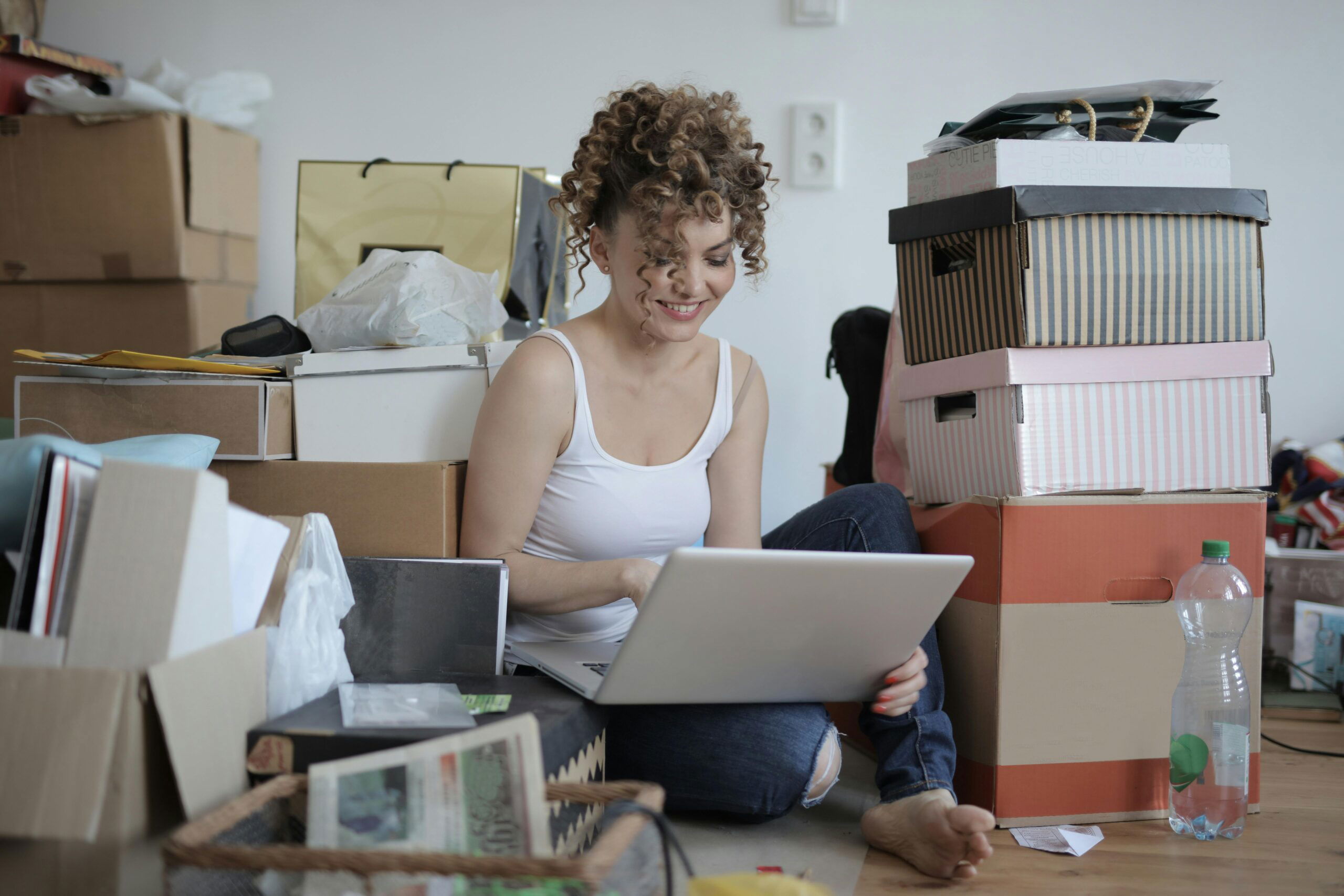
For years, my living spaces carried a quiet kind of chaos. Not the dramatic, overwhelming sort, but a subtle disorder that always lingered beneath the surface. A pile of papers here, a half-unpacked suitcase there, corners filled with things I didn’t want to confront. I moved constantly for work, often landing in furnished apartments assigned by international organisations. New walls, new furniture, new countries, yet somehow, the same internal landscape followed me everywhere.
No matter the city, the pattern repeated. At some point in every apartment, I would stop trying. I wouldn’t unpack fully; I wouldn’t hang pictures or make the space my own. I told myself it was temporary, that there was no point in settling. That I was too exhausted to make it nice. That my work mattered more than the environment I slept in and that home could wait for a better moment, a better job, a better version of me.
But the truth was simpler and harder. The clutter represented fear, hiding and shame.
Clutter as a Form of Protection
The mess became armour, a quiet strategy to keep people at a distance. The way I lived reflected something I hadn’t yet learned to name.
Whenever someone suggested stopping by, I always had a reason to decline. It’s a mess, became my default excuse. I believed I was protecting my privacy, my energy, my need for rest. What I didn’t see was that I was also protecting my vulnerability, the part of me afraid that if someone saw my space, they would see me and decide I didn’t belong. That I wasn’t enough.
The Drawer That Changed Everything
There was a moment that crystallised this for me. I had just arrived in yet another temporary apartment, in yet another city I didn’t know. I sat at the small kitchen table with a cup of tea going cold beside me. Half open suitcases surrounded me, and the silence felt heavier than usual. I had met many people in this new place, yet I did not feel connected to any of them. I realised, with a kind of gentle shock, that no one had truly seen me either, because I kept stepping out of sight.
The loneliness had been accumulating quietly, one unopened box, one cluttered drawer, one uninvited guest at a time.
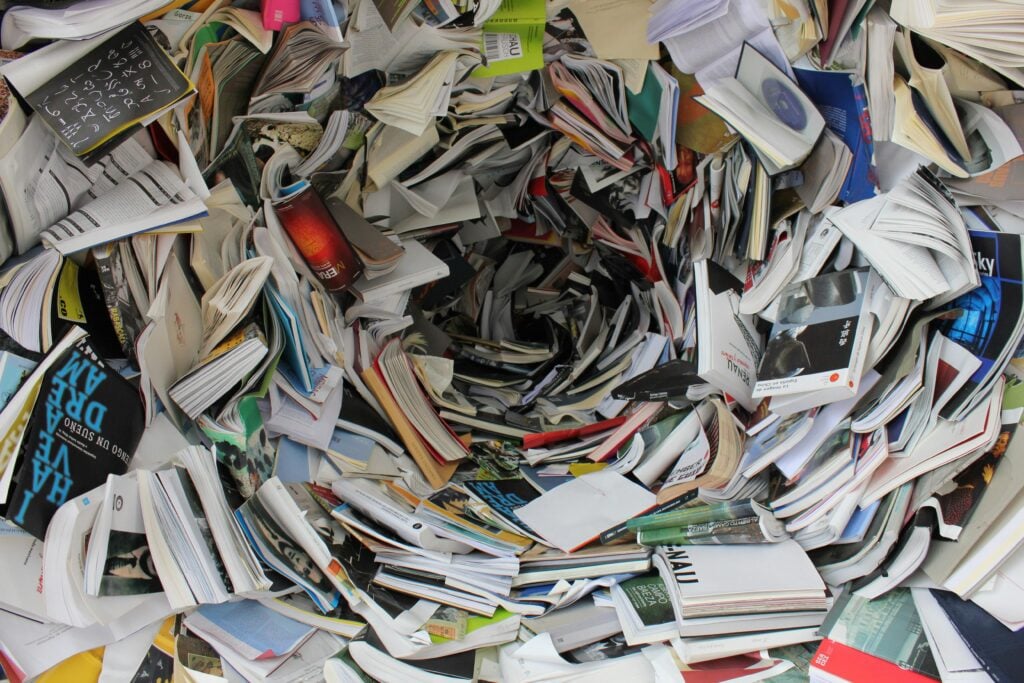
In that moment, I saw clearly that the mess was a choice. Not a conscious one, perhaps, but a protective impulse formed long time ago. Keep the space uninviting, and no one can enter. Keep the door closed, and nothing can hurt you.
But in protecting myself, I was also isolating myself. My half-lived space reflected a half lived sense of connection. And change didn’t come as a dramatic breakthrough; it came as a drawer.
One evening I opened a drawer searching for something trivial, and instead found a tangle of cords, dried out pens, faded receipts from countries I no longer lived in, and objects I couldn’t even identify. I wasn’t trying to organise anything, I simply felt overwhelmed by the physical weight of it. As I began sorting through it, emotions rose unexpectedly. Frustration. Sadness. Tenderness.
None of it was about the items themselves. It was about everything they represented, years of transition, years of postponing rootedness, years of telling myself I would settle later, when life felt more stable, when work calmed down, when love arrived, when I finally deserved to rest.
That drawer held the unprocessed pieces of my life. And as I cleared it, piece by piece, something shifted. I felt lighter, more present. Something inside me softened. It was an emotional release, a slow dismantling of the armour I didn’t realise I have been wearing.
What Our Homes Reveal About Us

Our homes reveal what we are carrying, what we are avoiding, and what we long for. To allow someone into that space is deeply intimate because a home shows what we can’t always say.
My home is still evolving; I am still evolving. But something essential has changed, I have begun inviting people in. I am learning to show up as I am, imperfect, in progress, human.
I still worry whether people will judge me, especially because of my work. I guide others through transforming their spaces, I speak about energy flow, alignment, and intentional living. So when someone walks into my home, I sometimes wonder whether they are silently assessing it, measuring me against my own teachings.
And maybe some are, but perfection isn’t the point, authenticity is.
Spaces are reflections of the self, and the self is always shifting, changing, unfolding, healing in layers. That process is messy and that mess is alive.
What I had come to understand is this: clutter is rarely about things. It is often about identity, grief, self-worth, and protection. Sometimes it is a shield we needed. And sometimes it’s a story we have outgrown.
Creating Space Inside and Out
When a space begins to feel heavy, the simplest way forward is to start small. Choose one area you have been avoiding, a drawer, a box, a corner, and pay attention to what comes up as you open it. Often the emotions that surface say more than the objects themselves. As you sort through each item, let go of what no longer feels connected to your life, and make space for something that brings ease instead.
Remind yourself that feeling at home doesn’t require perfection. A welcoming space is not created through flawless surfaces or carefully styled rooms, but through honesty and a sense of ease. You don’t need to have everything figured out, or be entirely healed, to allow yourself to be seen, by others or by your own reflection.
Begin with what is possible today. Clear only what you can, with each small shift, you create a little more room for clarity, for connection, and for the people and experiences ready to enter your life.