7 Major Global Education Challenges of the 21st Century
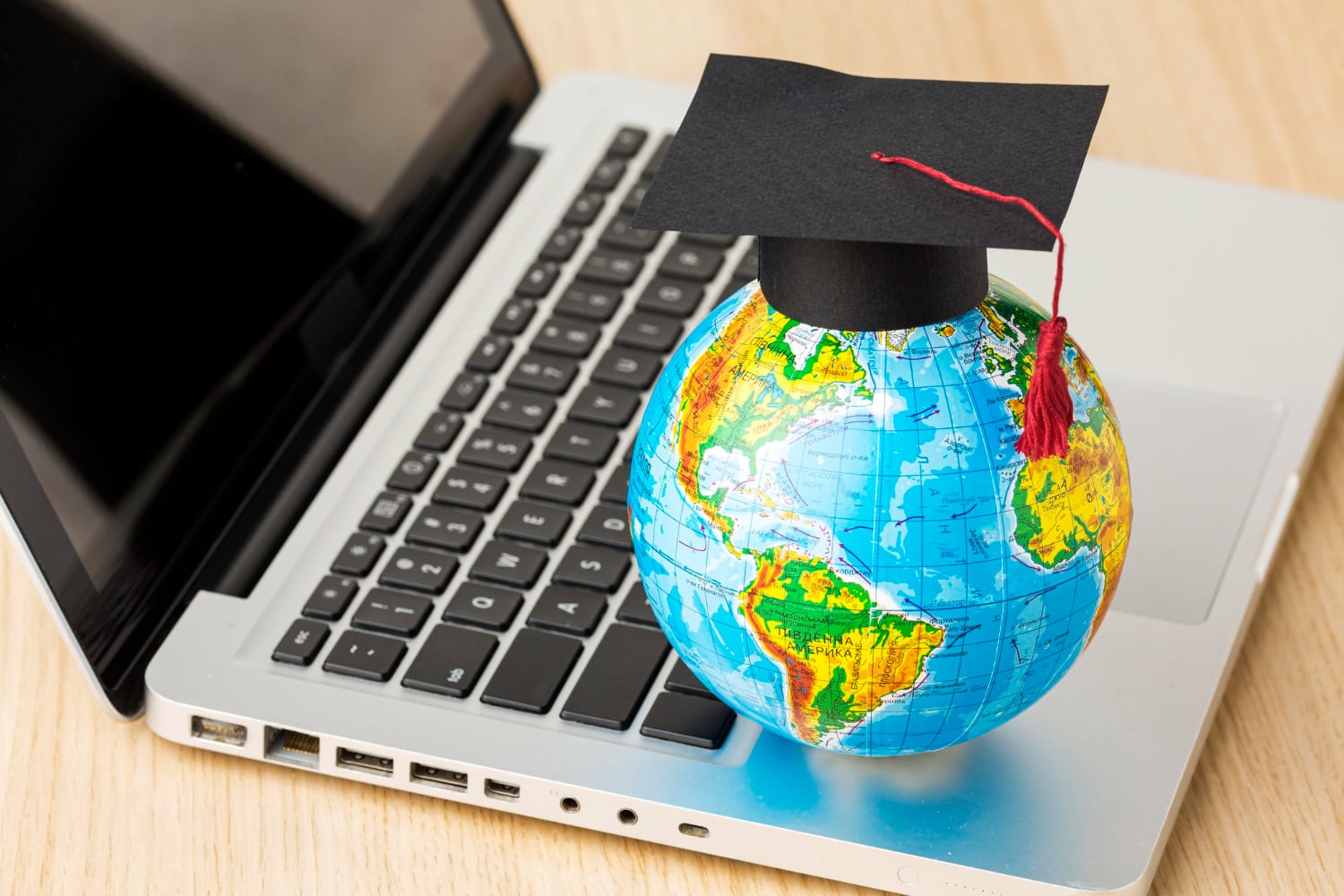
Education today looks very different from how many parents remember it. Now technology is everywhere, information moves instantly, and global events shape classrooms across countries and cultures. These 21st century education challenges are closely connected and influence how children learn, how teachers teach, and how schools support young people as they grow. Understanding the global education challenges in education can help you as a parent feel more confident about your educational choices and clarifies how schools and communities can respond in thoughtful and practical ways.
Why Education in the 21st Century Is at a Crossroads
Education is at a turning point because the world children are growing into is changing faster than many school systems can keep up with. Technology has reshaped how we communicate, work, and access information. Economic inequality, environmental pressures, and social and political tensions increasingly reach children through media at a young age.
These 21st century challenges place new demands on education systems. Schools are expected to build strong academic skills, support well-being, teach digital responsibility, and prepare students for jobs that may not yet exist. At the same time, families seek reassurance that learning remains meaningful, structured, and age-appropriate.
What It Means to Be an Educator Today
Being an educator today involves far more than delivering lessons. Teachers and school leaders are navigating complex systems while supporting children with very different needs and backgrounds.
The Evolving Role of Teachers in a Changing World
Teachers remain central to the learning process, even as technology becomes increasingly visible in classrooms. Their role has shifted from being the primary source of information to guiding students in how to think critically, question, and apply knowledge. Today’s teachers help children:
- Develop reading, language, and problem-solving skills. Building core literacy and thinking skills so children can understand, communicate, and solve problems.
- Learn how to use digital tools responsibly. Using technology safely, ethically, and with purpose.
- Build attention, focus, and emotional resilience. Learning to concentrate, manage emotions, and cope with challenges.
- Work collaboratively with others. Developing teamwork, communication, and respect for others.
- Understand global issues at an age-appropriate level. Gaining awareness of the world in ways suited to a child’s age and maturity.
This evolving role requires strong pedagogical skills, continuous professional development, and support from the wider education system. When teachers are well supported, students benefit directly in quality and confidence.
Educational Leadership in Times of Uncertainty
School leadership matters more than ever, as leaders shape how schools respond to change, manage resources, and support both staff and students. In a fast-changing world, their decisions influence the stability, culture, and overall quality of a school.
Educational leaders today must make decisions in uncertain conditions, balance legal requirements with student needs, integrate technology without compromising human connection, address learning gaps associated with poverty, and support teacher well-being and retention. Strong leadership helps schools remain stable and caring places, even when the wider world feels unpredictable.
Being an educator today means guiding young people with care, adaptability, and purpose, while balancing academic learning, well-being, and the realities of a rapidly changing world.

Seven Global Challenges Facing Education Today
Many education experts group the challenges of 21st century education into seven key areas. Together, these reflect both practical problems and deeper questions about the purpose of learning.
Challenge 1: Mindfulness and Well-Being in Education
Children today face high levels of stimulation, pressure, and distraction, and many schools are seeing growing concerns around stress, anxiety, and reduced attention. These challenges can affect how well children engage with learning and build relationships with others.
Mindfulness and well-being in education support calm, focus, and emotional awareness while maintaining clear academic expectations. Approaches such as structured routines, physical activity and creative arts, balanced use of technology, and time for reflection help children feel secure, engaged, and ready to learn.
Challenge 2: Artificial Intelligence, Singularity, and the Future of Learning
Artificial intelligence is changing education rapidly. Learning platforms, adaptive tools, and automated feedback can personalise learning and improve access for students across different contexts and countries.
At the same time, families and educators are concerned about over-reliance on technology and its impact on thinking skills. Schools need to help students understand how technology works, use digital tools ethically, and develop skills machines cannot replace, such as judgement and creativity. Finding this balance is central to 21st century education challenges in both developed and developing education systems.
Challenge 3: Education in a World of Conflict, Extremism, and Global Security
Global conflict and extremism now reach children more directly than ever through media and online platforms, making these realities impossible for schools to ignore. Education has an important role in promoting understanding, empathy, and critical thinking, including helping students explore identity, culture, and belief systems in respectful ways.
Schools also support their communities after difficult events by providing stability and routine, encouraging open but age-appropriate discussion, and supporting emotional processing and resilience. Through this approach, education helps children develop the tools to respond thoughtfully rather than fearfully to a complex world.
Challenge 4: Sustainability and Environmental Responsibility
Environmental sustainability is one of the most urgent education challenges of our time. Children are increasingly aware of climate and environmental issues, often encountering them through media and conversations well before adults feel ready to address them fully.
Schools can support sustainability by teaching environmental science and systems thinking, encouraging respect for nature and local communities, linking global concerns to everyday actions, and fostering long-term attitudes rather than short-term campaigns. When approached thoughtfully, sustainability education builds understanding, responsibility, and hope rather than anxiety.
Challenge 5: Post-Truth Politics, Media Literacy, and Critical Thinking
The spread of misinformation presents serious challenges for education systems, as children are exposed to large amounts of information that is not always reliable. Schools play an essential role in helping students make sense of what they see, read, and hear.
Education must support students in evaluating sources, recognising bias and persuasion, understanding how language shapes opinion, and thinking critically before sharing information. Media literacy has become a core component of learning, supporting informed decision-making and responsible participation in society.
Challenge 6: Redefining Knowledge in the 21st Century
There is an ongoing debate about what knowledge matters most in today’s world. Some argue that skills should replace content, while others stress the importance of deep subject understanding. In reality, students need both to learn effectively and confidently.
Education systems must maintain strong subject knowledge while integrating skills such as analysis and communication, respecting cultural and global perspectives, and ensuring learning remains structured and cumulative. This balance supports long-term learning rather than short-term performance.
Challenge 7: Character, Ethics, and Global Citizenship
Character education remains central to preparing children for an uncertain future. Academic success alone does not equip young people to navigate complex moral, social, and emotional situations they will encounter as they grow.
Character development includes discipline and perseverance, ethical reasoning, emotional intelligence, and a sense of responsibility to others and the wider community. Education that supports these qualities helps children become thoughtful, engaged adults who contribute positively at both local and global levels.
These seven challenges underscore the need for education to strike a balance between learning, well-being, and responsibility in a rapidly changing world.
Who These Education Challenges Matter Most For
The global education challenges impact various groups in distinct ways. Understanding this helps families recognise their role.
Educators and School Leaders
Teachers and leaders work at the centre of these challenges, and their ability to adapt, collaborate, and keep learning has a direct impact on students’ experiences and outcomes. When supported by strong systems, ongoing professional development, and realistic expectations, educators are better able to provide consistent, high-quality learning for children.
Policy Makers and Education Systems
Education systems play a key role in shaping access, quality, and equity across schools and communities. Decisions regarding funding, curriculum design, assessment, and teacher support have a direct impact on how effectively schools can address contemporary challenges. Evidence-based policies and long-term planning are particularly crucial in developing countries, where learning poverty persists as a significant concern and sustained investment is necessary to enhance outcomes for children.
Parents, Students, and Communities
Families and communities play a vital role in education, as what happens at home influences learning just as much as what happens in school. Parents support their children by encouraging reading and discussion, modelling thoughtful use of technology, valuing curiosity and learning, and engaging with schools as partners, creating a shared responsibility that helps children thrive.
These education challenges matter to all, as supporting children requires shared responsibility across schools, systems, families, and communities.
Preparing Schools for the Future
Schools can respond to change without abandoning what already works by building on strong foundations and adapting thoughtfully as education evolves. Effective schools:
- Focus on quality teaching, keeping learning clear, structured, and meaningful
- Use technology as a tool, not a replacement, supporting learning while preserving human connection
- Support student well-being, recognising that emotional health underpins academic success
- Develop character alongside academic skills, helping students grow beyond academic outcomes
- Remain connected to their communities, strengthening relationships with families and local networks
These approaches help schools meet 21st century education challenges with confidence, balance, and care.
Get Your Free School Choice Guide Instantly
Choosing the right school can feel overwhelming, especially in a changing education landscape where options and expectations continue to evolve. A clear, practical guide can help families understand different education systems, priorities, and learning approaches, making the decision process feel more manageable. A well-informed choice supports children’s learning, builds confidence, and lays a strong foundation for long-term development. Download your Free School Choice Guide here.
FAQ
What are the biggest challenges facing education today?
The biggest challenges include well-being, technology use, learning inequality, sustainability, misinformation, and the need to balance knowledge with skills.
Why is mindfulness and well-being important in modern education?
Well-being supports attention, emotional regulation, and learning. Children learn best when they feel safe and supported.
How is artificial intelligence changing education?
AI offers tools to personalise learning and improve access, but it also requires careful guidance to protect thinking skills and ethics.
What role does education play in addressing global conflict and extremism?
Education promotes understanding, empathy, and critical thinking, helping young people respond constructively to global challenges.
Why is sustainability a key challenge for education in the 21st century?
Environmental issues affect all children’s futures. Education helps develop long-term responsibility and informed action.
How does post-truth politics affect education?
It increases the need for media literacy and critical thinking so students can evaluate information responsibly.
What does “knowledge” mean in the 21st century?
Knowledge remains essential. It supports skills, understanding, and meaningful learning across subjects and cultures.
Why is character education still important?
Character shapes how individuals respond to challenges. Discipline, ethics, and emotional intelligence support lifelong learning and citizenship.
How can schools prepare students for an uncertain future?
By focusing on strong teaching, balanced use of technology, well-being, character development, and community engagement.