Best International Schools in Brussels: 2026 Guide
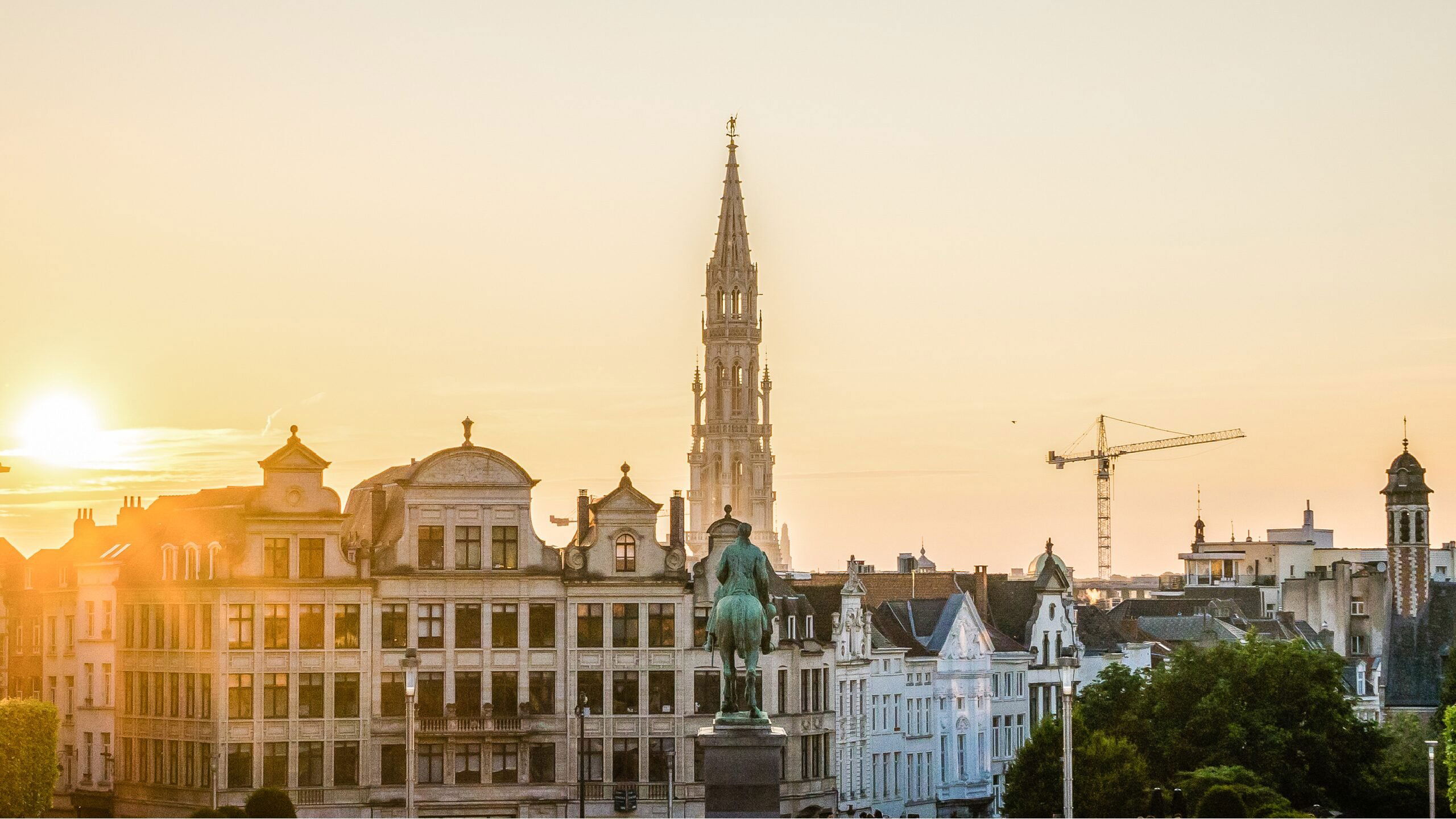
Brussels has a way of surprising families when they first arrive. Smaller and more manageable than many European capitals, yet remarkably international, shaped by EU institutions, NATO, and expat communities from every corner of the world. Safe neighbourhoods and a genuine mix of cultures make it one of the more welcoming cities to raise children in. The school options reflect that variety, ranging from local French and Dutch-speaking schools to well-established international campuses offering the IB, British, American, and French curricula.
Top International Schools in Brussels
-
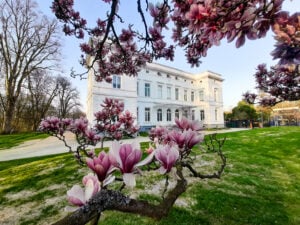 Watermael-Boitsfort, Belgium
The International School of Brussels
- Ages Taught
- 2 – 18
- Teaching languages
- English, French
- Boarding
- Day School
- Number of children
- 1,300
-
Brussels, Belgium
British Junior Academy of Brussels
- Ages Taught
- 3 – 11
- Teaching languages
- English
- Boarding
- Day School
- Number of children
- 200
-
Brussels, Belgium
Agnes School
- Ages Taught
- 2 – 18
- Teaching languages
- English, French
- Boarding
- Day School
- Number of children
- 400
-
Brussels, Belgium
ACE of Brussels International School
- Ages Taught
- 3 – 18
- Teaching languages
- English
- Boarding
- Day School
- Number of children
- 200
-
Brussels, Belgium
Bogaerts International School
- Ages Taught
- 3 – 18
- Teaching languages
- English
- Boarding
- Day School
- Number of children
- 400
-
Brussels, Belgium
Montgomery International School
- Ages Taught
- 3 – 16
- Teaching languages
- English
- Boarding
- Day School
- Number of children
- 300
-
Brussels, Belgium
BEPS International School
- Ages Taught
- 2 – 14
- Teaching languages
- English, French
- Boarding
- Day School
- Number of children
- 300
-
Brussels, Belgium
European Schools (Brussels I-IV)
- Ages Taught
- 4 – 18
- Teaching languages
- English, French, German
- Boarding
- Day School
- Number of children
- 12,000
-
Brussels, Belgium
Brussels International Catholic School
- Ages Taught
- 2 – 18
- Teaching languages
- English
- Boarding
- Day School
- Number of children
- 500
-
Brussels, Belgium
St. John’s International School
- Ages Taught
- 2 – 18
- Teaching languages
- English
- Boarding
- Day School
- Number of children
- 600
-
Brussels, Belgium
The British School of Brussels
- Ages Taught
- 1 – 18
- Teaching languages
- English
- Boarding
- Day School
- Number of children
- 1,350
Choosing the right school, though, is rarely straightforward and it’s the question we hear most often from families arriving in Brussels. This guide is here to help. All fee information and programme details have been reviewed and updated for 2026–2027, so whether you have just landed, are planning ahead from abroad, or are simply weighing up your options, you will find everything you need to make a confident decision.
Overview of the School System in Brussels
Brussels provides multiple schooling pathways shaped by its bilingual structure. The system is organised under two communities: the French-speaking and the Dutch-speaking, each responsible for its own curriculum, examinations, and school networks. Students move through pre-primary, primary, and secondary levels, earning nationally recognised qualifications such as the CESS in the French system or the equivalent Flemish diploma.
It can feel like a lot to take in at first, but the choices broadly come down to three types: public state schools, private institutions (including religious networks), and established international schools. Public and most private schools teach in French or Dutch, while international schools mainly use English and offer IB, British, American, and other national programmes.
This variety attracts many international families, though it requires understanding different languages, admission processes, and educational philosophies. Some prioritise international schools for English-language learning and continuity if moving abroad regularly. Others prefer local schools for lower costs and deeper cultural integration.
Your decision should reflect your child’s profile, your language goals, and honestly, how long you realistically expect to be in Belgium.
With that in mind, let’s look more closely at your choices.
Types of Schools in Brussels
International Schools in Brussels
What you can expect in international schools:
- Globally recognised curricula (IB, British, American, French, German)
- Ideal for mobile or expatriate families
- Easier academic continuity between countries
- Strong support for non-native English speakers
- Diverse, international school communities
- English as the main language of instruction
In Brussels, international schools mainly teach in English and offer globally recognised qualifications such as the IB, British, American, French, or German curricula.
For expat families who have moved countries before or expect to again, they tend to be the most practical starting point. They are well suited to expatriate families seeking continuity between countries and typically provide strong support for non-native English speakers and have a natural understanding of what it means to arrive somewhere new, within diverse, multinational communities.
Private Schools in Brussels
- Follow French or Flemish national curriculum
- Often include religious or specialised teaching approaches
- Known for high academic standards
- Smaller class sizes than public schools
- Popular with local families and long-term expatriates
- Teaching mainly in French or Dutch
Private schools in Brussels generally follow the French or Flemish national curriculum and may have a religious or specific pedagogical focus, with many Catholic institutions known for strong academic standards.
They are worth considering if you are planning to stay in Belgium for the longer term and are often chosen by local Belgian families, expatriates planning long-term settlement, and parents looking for smaller class sizes. The language of instruction is typically French or Dutch.
Public Schools in Brussels
- State-funded and generally free (with minimal fees)
- Choice of French-speaking or Dutch-speaking curriculum
- Integration support available for newcomers
- Strong academic structure, especially in Flemish schools
- Early exposure to multiple languages
- Best suited for long-term stays and local integration
Public schools in Brussels are state-funded and generally free, aside from small administrative or material fees, and they follow either the French-speaking (Wallonia-Brussels Federation) curriculum or the Dutch-speaking (Flemish) curriculum. French-speaking public schools teach primarily in French and often provide integration classes to help newcomers adjust to the language and curriculum.
Dutch-speaking public schools follow the Flemish system, known for its structured approach and strong academic standards, with instruction in Dutch and early introduction of languages such as French and English. These schools are well suited to families planning a longer stay in Belgium and seeking deeper integration into local society, though students usually need to be fluent in or willing to learn French or Dutch.
Best International Schools in Brussels
If you are unsure how long your family will stay in Belgium, or you want your child to continue studying in English without switching into French or Dutch, then the international schools in Brussels may be the most practical choice.
Below are some of the best known options.
| School | Curriculum | Annual Fee Range | Best For |
| International School of Brussels (ISB) | IB / American | €22,000 – €38,000 | Sports & Arts |
| British School of Brussels (BSB) | British / IB | €20,000 – €36,000 | UK University Prep |
| Bogaerts International School (BIS) | IB (MYP & DP) | €16,000 – €28,000 | Project-Based Learning |
| St. John’s International School | IB / American | €18,000 – €32,000 | Community & Arts |
| European School of Brussels | European Baccalaureate | €3,000 – €10,000* | EU Families |
| Lycée Français Jean-Monnet | French National / IB | €5,000 – €15,000* | Francophone Families |
| Montgomery International School (MIS) | British / Bilingual | €14,000 – €24,000 | Small Class Sizes |
*Fees vary significantly based on eligibility and family category
International School of Brussels (ISB)
American-style education with leading IB, arts, and athletics
Located in Waterloo, south of the city, ISB is one of the most established international schools in Belgium. It offers an American-style education alongside the full International Baccalaureate Diploma Programme.
The large green campus includes impressive sports facilities, performing arts spaces, modern science labs, and extensive extracurricular programmes. Families who go to ISB often live in Waterloo, Uccle, or the southern suburbs, commuting by car or school bus.
ISB tends to be a particularly good fit for families looking for a North American academic environment combined with strong arts and athletics. If that combination matters to your family, it is well worth a visit.
Parent’s Perspective: “ISB gave our children a genuine sense of belonging from day one. The campus is vast, the staff are warm, and the mix of nationalities made the transition from the US feel surprisingly smooth.” — Parent of two ISB students
British School of Brussels (BSB)
British curriculum with IB option, ideal for UK pathways
Based in Tervuren, east of Brussels, BSB follows the British curriculum (IGCSE and A-Levels) and also offers the IB Diploma as an alternative pathway for families who want a little more flexibility.
The campus features advanced STEM laboratories, arts studios, indoor sports halls, and outdoor learning areas. Many families who go to BSB live in Tervuren, Wezembeek-Oppem, or Woluwe, with access typically by car or organised bus routes. If you are living near the EU Quarter or Ixelles, factor in potential morning traffic on the E40 corridor. It can add 20 to 30 minutes during peak hours. Many families in those areas opt for the school bus to avoid this.
BSB is a strong option if your child may continue to UK universities or prefers the structured British system.
Bogaerts International School (BIS)
Strong IB with a supportive, community-focused environment
Bogaerts International School has two campuses: the South Campus in Uccle and the North Campus in Diegem, the latter being particularly convenient for families based near NATO or the many multinational companies in that corridor. If you are considering BIS and work in that area, the commute is one of the most manageable of any international school in Brussels.
The school offers the International Baccalaureate Middle Years Programme (MYP) and Diploma Programme (DP) and is known for its student-centred, project-based learning approach that encourages curiosity, creativity, and collaboration.
Families often mention the community feel as one of the reasons they chose BIS. It is a school that takes personal development seriously alongside academics, and that balance can make a real difference, particularly for children who are still settling into life in a new country.
Student’s Perspective: “BIS felt more like a family than a school. The MYP projects pushed me to think differently, and the teachers were always approachable.” — BIS Graduate, Class of 2024
St. John’s International School
American curriculum and IB with a close, supportive community
Also located in Waterloo, St. John’s offers both the American curriculum and the IB Diploma Programme.
What comes up most often when parents talk about St. John’s is the atmosphere. The school is often praised for its supportive community, personalised academic guidance, and strong arts focus. Families usually reside in Waterloo or Uccle, with manageable commuting distances.
If the larger international school campuses feel a little overwhelming, St. John’s slightly smaller community is worth considering.
European School of Brussels (Various Campuses)
Multilingual European curriculum for internationally focused families
The European Schools in Uccle and Woluwe follow the European Schools curriculum and culminate in the European Baccalaureate.
These schools provide multilingual education with language sections including English, French, German, and others. They primarily serve children of EU institution staff, but other families may apply depending on availability. They are well suited to multilingual households or families seeking a strong European-focused academic pathway.
Lycée Français Jean-Monnet (Uccle)
French curriculum with global pathways and seamless continuity
Part of the AEFE (Agency for French Education Abroad) network, Lycée Français Jean-Monnet follows the official French national curriculum from early years through to the International French Baccalauréat. It serves a large international community, offering strong academic standards, multilingual learning, and preparation for French and global universities.
Beyond the academics, there is also a real sense of familiarity for children who have already studied within the French system. It is particularly popular with French expatriate families, though it welcomes a wider international community and suits anyone seeking continuity with the French curriculum.
Montgomery International School (MIS)
Small classes with personalised learning in a central location
Located near Montgomery Squares, Montgomery International School’s central campus is one of the most accessible in Brussels, sitting right on the metro, tram, and bus network in a way that few other international schools can match.
MIS is known for its small class sizes and personalised learning approach, allowing teachers to closely support each student’s progress. Students can follow an English or advanced bilingual programme in a supportive and engaging academic environment.
Families often live in nearby areas such as Woluwe-Saint-Lambert, Woluwe-Saint-Pierre, Ixelles, Kraainem, and Uccle. It is the kind of school that suits families who want their child to feel known and looked after, rather than just well taught. This school appeals to those seeking a close-knit international community with strong student–teacher relationships and a focus on holistic development.
Curriculum Comparison: Which Is Right for Your Child?
Choosing the right curriculum is often as important as choosing the right school. Here is a quick overview to help you decide:
| Curriculum | Best For | University Pathway |
| IB (International Baccalaureate) | Internationally mobile families | Internationally mobile families |
| British (IGCSE / A-Level) | Families targeting UK universities | UK and international |
| American | Families relocating to or from the US | US and international |
| French (Lycée) | Francophone families | France and francophone countries |
| France and francophone countries | EU institution families | EU institution families |
| Dutch / Flemish | Long-term residents seeking integration | Belgium and the Netherlands |
When in doubt, speak to the schools directly. Most admissions teams are genuinely helpful and can guide you toward the right fit.
How to Choose the Right School in Brussels
Selecting a school in Brussels should focus on how well it suits your child and your family’s future plans, rather than reputation alone. If you anticipate moving between countries, you may prefer an international school offering recognised global qualifications that allow for easier transitions. If you are settling for the longer term, French- or Dutch-speaking schools can provide strong language development and closer integration into Belgian society.
Key factors to consider:
- Location and commute — Brussels traffic can be significant; check proximity to your home or planned neighbourhood
- Class size — Smaller schools offer more individual attention; larger campuses often have broader facilities
- Language environment — Consider whether full English immersion or a bilingual setting suits your child better
- Future plans — If university in the UK or US is likely, align the curriculum accordingly
Your decision should reflect your child’s learning style, your language preferences, and the level of mobility you expect in the years ahead.
Admission Process and School Fees in Brussels
Admissions at international schools in Brussels usually begin with an online application and the payment of a non-refundable application fee. Parents are asked to submit recent school reports and other supporting documents as part of the process.
Depending on the age of your child, the school may organise an assessment or interview, particularly for older students or for programmes such as the IB. Offers are typically sent several months before the new academic year, although some schools continue to fill available places later in the spring and summer if vacancies remain.
Once a place is offered, families confirm enrolment by signing a contract and paying a reservation or enrolment deposit.
Updated 2026–2027 Fee Ranges:
- Primary level fees at international schools in Brussels typically range from €16,000 to €28,000 per year
- Secondary level fees generally range from €22,000 to €42,000 per year, depending on the school and programme
- One-time costs to budget for include application fees, enrolment deposits, uniforms, and school materials
- Additional ongoing costs may include school transport, lunch programmes, and extracurricular activities
Public schools in Brussels are state-funded and do not charge tuition. However, small contributions may be requested for materials, school trips, or specific activities.
Pros and Cons of Studying at Schools in Brussels
Advantages
- One of Europe’s most international cities — great for growth, great for the CV
- Compact, well-connected, and perfectly placed for weekend adventures
- A launchpad for careers and opportunities right at the heart of Europe
Challenges
- Three official languages — a challenge that quickly becomes an asset
- International school fees can be steep so it’s worth researching scholarships early
- The weather is famously grey, but Brussels has the coffee shops, waffles and charm to make up for it
Best Tutors in Brussels
Relocating to a new city often involves the complex challenge of adjusting to a different home, a new school, and frequently an unfamiliar curriculum or language. For many children, whether young or teens, this transition can be a challenge. Private tutoring can offer vital support during this period by helping students strengthen their language skills, close academic gaps, and build the confidence necessary to thrive in their new environment.
TutorsPlus provides personalised tutoring specifically tailored to students attending international and private schools in Brussels. Tutors offer specialist support for IB subjects, IGCSE and A-Level programs, the American and French curricula, and university admissions.
Tutors can also help students develop proficiency in French or Dutch, making it easier to participate fully in school and everyday life in Brussels. With flexible online lessons, sessions can be conveniently arranged to fit around your child’s existing school commitments.
Conclusion
When exploring schools in Brussels, the priority is finding a community where your child feels encouraged, understood, and challenged in the right way. With a variety of international and Belgian options available, consider the academic approach, language environment, class sizes, extracurricular opportunities, and how the school fits into your daily routine and future goals.
Frequently Asked Questions (FAQ)
What are the best international schools in Brussels?
The best choice depends on your child’s learning style, language needs, and future university plans.
Are public schools in Brussels free for international students?
Public schools in Brussels are state-funded and generally free for all students, including international families. However, parents may need to cover small costs such as materials, school trips, lunches, and extracurricular activities.
How much do private schools in Brussels cost?
Primary level fees at international schools in Brussels typically range from €14,000 to €24,000 per year. Secondary fees can range from €20,000 to €38,000 depending on the school and year group.
Is it difficult to get a place in a school in Brussels?
It can be competitive to secure a place, especially at popular international schools and certain bilingual public schools. While every child has access to compulsory education, families may not always receive their first choice, so early application is strongly recommended.
What language are schools taught in Brussels?
In the local system, schools teach primarily in French or Dutch, depending on the community. International schools mainly offer English-language instruction, often alongside additional European languages such as German, French, or Spanish.
Which curriculum is best for expat families in Brussels?
- The IB is often the most flexible option for internationally mobile families due to its global recognition and continuity across countries.
- British and American curricula are strong alternatives, particularly if your child may later apply to universities in the UK or the US.
- The French curriculum suits francophone families, while the Dutch (Flemish) curriculum can be a good choice for long-term residents seeking integration into the local system.
- Bilingual public programmes also appeal to families planning an extended stay and prioritising language development and cultural immersion.
When should parents apply to schools in Brussels?
For international schools, families should ideally apply 6 to 12 months before the intended start date. Public school registration timelines vary by community, so it is advisable to check deadlines early and prepare documents in advance.
What is the cheapest international school in Brussels?
Among the options listed, Montgomery International School and Bogaerts International School tend to offer more accessible fee ranges, starting from around €14,000 to €16,000 per year at primary level. European Schools and Lycée Français Jean-Monnet may have lower fees for eligible families.
Do international schools in Brussels provide transport?
Most international schools in Brussels offer organised bus services, though these come at an additional cost and availability depends on where you live. It is always worth confirming transport options directly with the school during the admissions process.
Are there long waiting lists for international schools in Brussels?
Waiting lists exist at several popular schools, particularly at primary level and for sought-after programmes such as the IB. Families relocating to Brussels are strongly advised to begin the application process as early as possible, ideally 6 to 12 months before the intended start date.