Choosing for the Future: Why Human Skills Matter More Than Ever
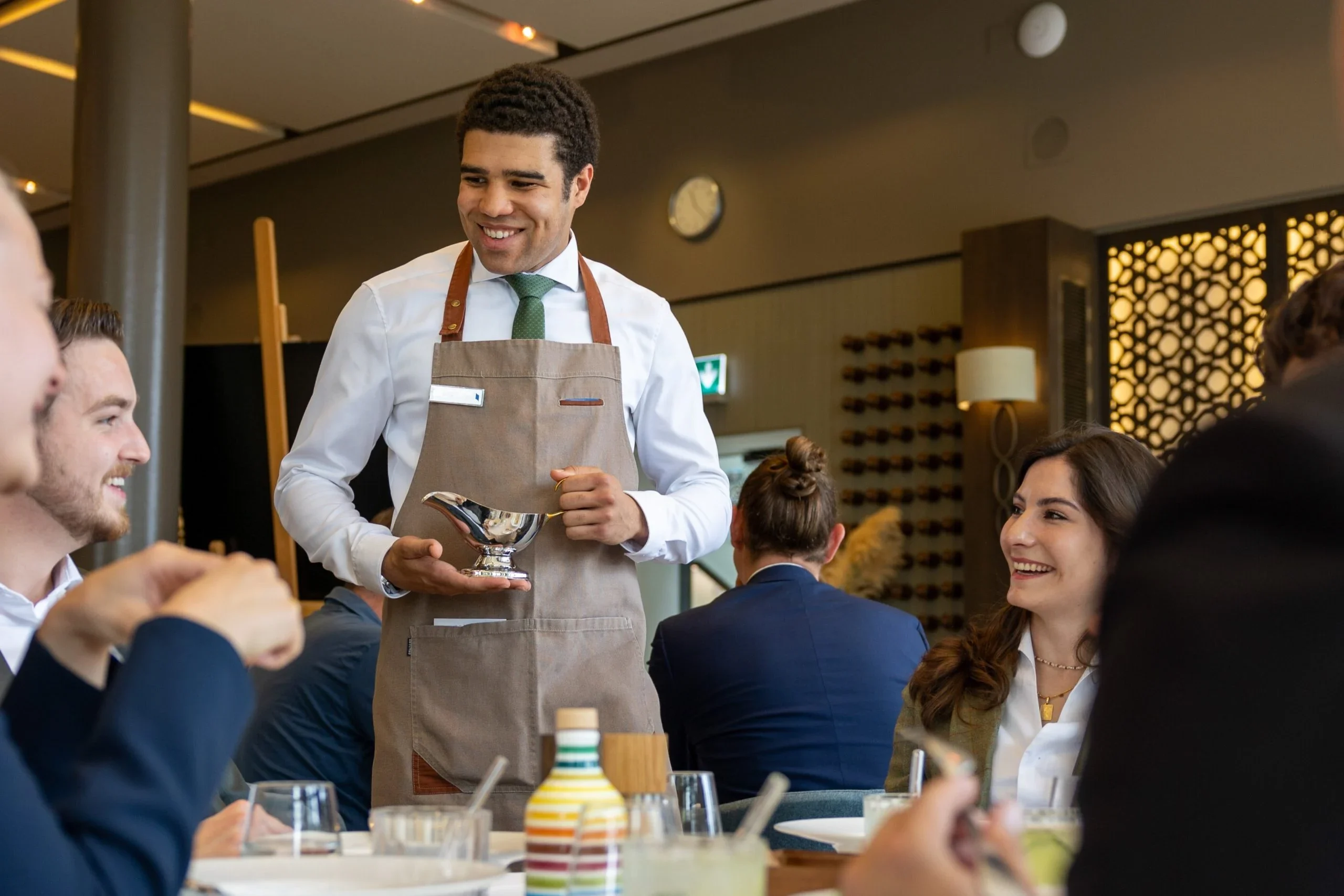
Human skills are at the heart of hospitality as well as the practice-oriented study programme at SHL Schweizerische Hotelfachschule Luzern.
For decades, educational success was largely measured by subject knowledge and technical expertise. Students chose study programmes based on the promise of acquiring specialised knowledge that would prepare them for a successful career. Today, that equation is changing. Artificial Intelligence is transforming the workplace at an unprecedented pace. Tasks that once required years of training can now be completed in seconds. Research can be automated, reports generated instantly and data analysed with remarkable accuracy. Unsurprisingly, many parents are asking themselves an important question: What should my teenager study to remain relevant in a world increasingly shaped by AI? The answer may be simpler than expected. While technology continues to evolve, employers are increasingly looking beyond technical competencies. They are seeking qualities that machines cannot easily replicate: empathy, communication, leadership, creativity, judgement and the ability to work effectively with people. In short, human skills. These capabilities have always been important. Today, they are an absolute necessity.
THE FUTURE BELONGS TO PEOPLE WHO CAN WORK WITH PEOPLE
The careers of tomorrow will not be defined solely by who possesses the most knowledge. Information is more accessible than ever. Instead, success will belong to those who can turn knowledge into action, build relationships, inspire teams and navigate complexity. Whether leading a project, managing a diverse workforce or working with clients from different cultural backgrounds, human interaction remains at the centre of business performance. Organisations increasingly need professionals who can communicate clearly, collaborate effectively and make sound decisions in situations where there is no obvious algorithmic answer. Technology may support these processes, but leadership remains a fundamentally human responsibility.
AI CHANGES JOBS, NOT THE NEED FOR HUMAN CONNECTION
There is no doubt that AI will reshape many professions. Some tasks will disappear, new ones will emerge and almost every industry will change in some way. Yet despite these developments, one reality remains unchanged: people still value human connection. Artificial Intelligence can process information, identify patterns and make recommendations. What it cannot do is genuinely understand emotions, build trust during difficult conversations, motivate a team through uncertainty or create memorable experiences that leave a lasting impression. These distinctly human capabilities will continue to differentiate exceptional professionals from average ones. Rather than competing with AI, future leaders will learn how to work alongside it, combining technological tools with emotional intelligence, critical thinking and sound judgement.
HOSPITALITY EDUCATION: A NATURAL ENVIRONMENT FOR DEVELOPING FUTURE SKILLS
This is where hospitality education offers a unique advantage. Hospitality has always been a human-centred industry. Every day, professionals communicate, collaborate, solve problems, manage expectations and adapt to changing circumstances. In doing so, they develop leadership, resilience, teamwork and cultural awareness –skills that are increasingly valued across a wide range of industries.
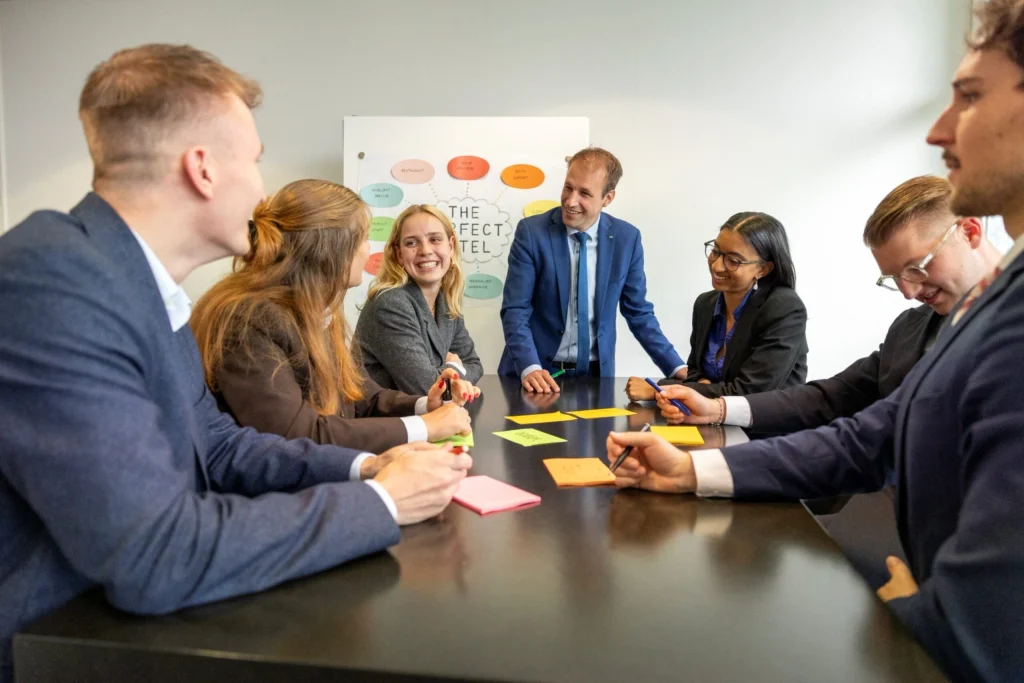
From teamwork to leadership: SHL prepares students to work with people, solve problems and make an impact.
At SHL Schweizerische Hotelfachschule Luzern, these capabilities are developed through a combination of academic rigour and hands-on learning. Located in the heart of beautiful Lucerne, the school offers a close-knit community where students are actively engaged in both their professional and personal development. Learning extends well beyond the classroom. Students manage the educational restaurant on campus, work on real business challenges and complete at least two paid industry internships. Rather than simply studying management theory, they gain first-hand experience in leading teams, taking responsibility and solving real-world problems. SHL also places a strong emphasis on self-awareness and personal growth. Through its ID Loop programme, students are encouraged to reflect on their strengths, behaviours and leadership style, helping them develop the emotional intelligence and self-awareness that today’s organisations can no longer afford to overlook.
For students seeking both academic depth and practical expertise, SHL offers a Combined Degree Programme leading to two highly regarded Swiss qualifications: a Professional Bachelor from SHL and a Bachelor of Science in Hospitality Management from Lucerne University of Applied Sciences and Arts (HSLU). This balanced approach helps explain why SHL graduates enjoy an employability rate of over 99% and pursue successful careers across a wide range of industries.
HUMAN SKILLS OPEN DOORS FAR BEYOND HOSPITALITY
about hospitality education is that it prepares students exclusively for careers in hotels. In reality, the skills developed through hospitality management are highly transferable. Employers across industries are searching for graduates who can lead people, understand customer needs, communicate across cultures and deliver exceptional experiences. These capabilities are valued in luxury brands, consulting, airlines, healthcare, entrepreneurship and many other sectors.
WHAT PARENTS SHOULD LOOK FOR IN A DEGREE PROGRAMME
When choosing a study path, perhaps the most important question is no longer: “What will my child study?” A more relevant question may be: “Who will my child become?” Will the programme develop confidence, resilience and leadership? Will it encourage curiosity, adaptability and a genuine passion for growth? Will it provide opportunities to apply knowledge in practice and help students develop the interpersonal skills that technology cannot replace?
The future belongs to individuals who combine knowledge, practical experience and human understanding. Preparing young people for that future means preparing them not only for their first job, but for a lifetime of change, responsibility and opportunity. Human skills are the new degree.